Most sublimation printer paper problems begin with unstable feeding, uneven tension, paper wrinkles, or a mismatch between the printer, ink, paper, and transfer stage. A stable paper path helps protect image alignment and makes transfer quality easier to repeat, especially when wide-format rolls run for long periods. The solution is not simply to choose a heavier or more expensive sheet. Production teams need to look at the complete paper journey: loading, tension control, surface support, printing, drying, winding, and heat…
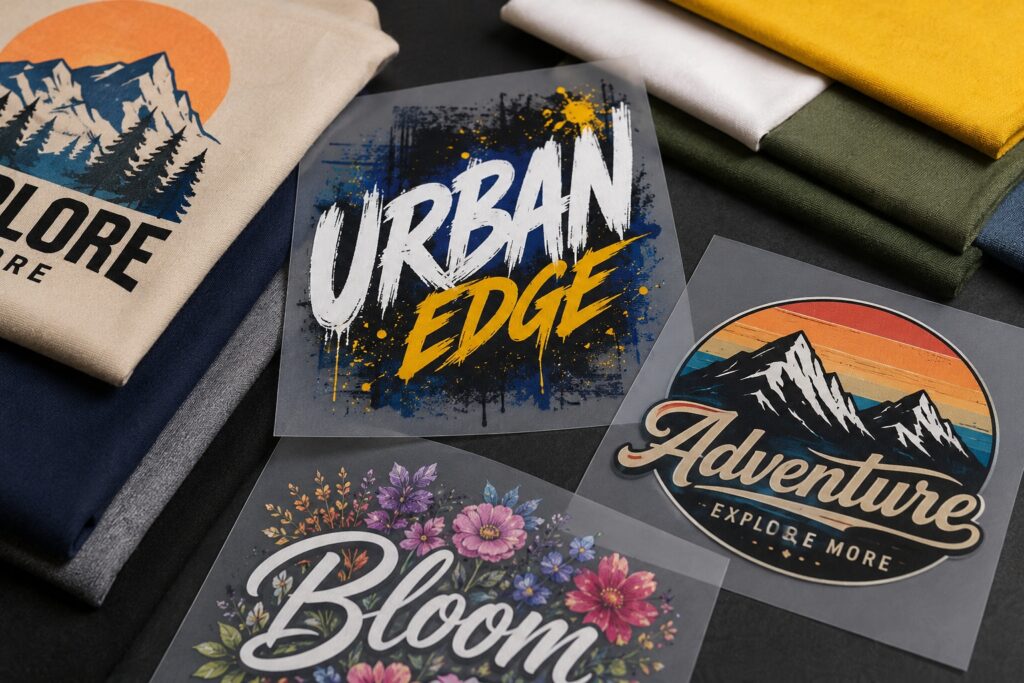
A DTF printer for small business use should do more than produce a colorful transfer. It should help a team move from artwork approval to film printing, powder application, curing, heat pressing, inspection, and packing without creating a new bottleneck at every stage. HJD's DTF range gives growing apparel businesses several width and printhead configurations, making it possible to match equipment to order variety first and scale second. Start With the Order Pattern The first planning question is not how…
Automatic Silk Screen Press for Multi-Color Apparel: When an Oval Layout Makes Sense An automatic silk screen press makes the most sense when apparel production needs repeatable multi-color printing, steady garment movement, and less manual handling. An oval layout is especially useful when a shop wants the flexibility of a continuous textile workflow without limiting every job to the same production pattern. The right choice depends less on a single headline speed than on how the equipment fits the artwork,…
DTF vs DTG printing comes down to the job, not a universal winner. Choose DTF when you need flexible decoration across cotton, polyester, blends, bags, shoes, or other items and want to print transfers before applying them. Choose DTG when direct printing on prepared garment pieces, a soft hand feel, and detailed cotton apparel graphics are central to the workflow. HJD offers both DTF and DTG equipment, so the practical decision starts with the products and order pattern you actually handle. What DTF and DTG Actually Change DTF printing places the artwork on PET film, applies adhesive powder, cures the transfer, and moves the image to the garment with a heat press. The design can be prepared away from the final garment, which gives an apparel business more freedom to print transfers in batches and apply them when orders are ready. DTG printing sends textile pigment ink directly onto a prepared garment or cut piece. The item stays on a platen while the printer builds the image on the fabric surface. This direct route is attractive when the product range…
A digital textile printer is the right choice when a production line needs repeatable color, fast design changes, and direct printing across a defined range of fabrics. The practical decision is not simply about buying the fastest machine. It is about matching the printer format to the material format: a flatbed digital printer suits prepared garment cut pieces, while a belt-fed direct textile printer is better suited to continuous fabric and larger production runs. For businesses balancing apparel customization with home textile or decorative fabric work, HJD provides both pathways. Our high-speed direct textile printer is listed with industrial nozzles, variable ink dot control, printing accuracy up to 1,200 DPI, and speed up to 720 m2/h, while its flatbed solution focuses on direct printing for ready-made garment pieces. What Makes a Digital Textile Printer Suitable for Modern Production? A useful digital textile printer must fit the production rhythm as well as the fabric. Textile businesses often handle a changing mix of cotton shirts, linen goods, silk designs, polyester products, blends, and decorative materials. The printer therefore needs stable media handling, controlled ink…
A DTF printer is a strong fit for small-batch custom apparel because it lets decorators prepare transfers on film, then apply them when the order, garment, and artwork are ready. That flexibility makes it easier to handle samples, limited drops, repeat designs, and on-demand jobs without building a workflow around large production runs. For shops balancing speed with variety, DTF printing can turn a crowded order board into a more manageable sequence of transfer-making and heat application. Why a DTF Printer Suits Small-Batch Custom Apparel Small-Batch Production Fit Small orders create a different kind of pressure from bulk production. The challenge is less about repeating one image thousands of times and more about switching designs, garment sizes, and product types without creating a pile of unfinished work. A DTF printer supports that rhythm by producing transfers that can be organized by artwork, customer, or application date before they are pressed. That matters for custom apparel businesses serving online stores, local teams, schools, promotions, and independent brands. A single day may include a short run of branded hoodies, replacement shirts for…
Choosing an industrial DTF printer starts with the work your production line needs to handle. Transfer size, daily output, printhead configuration, film width, white ink management, and powder-drying capacity all affect the final choice. A3 systems are suitable for sampling and small custom orders, while 65 cm and 1.2 m multi-head systems are better suited to recurring garment production and larger-volume work. HJD offers DTF configurations ranging from an A3 system with two Epson XP600 printheads to 2-, 4-, 5/6-, 8-, and 12-head production systems using Epson i3200-A1 printheads. Comparing these machines by actual print width, production speed, print mode, and matching powder shaker provides a more useful basis for purchasing than printhead count alone. What Determines the Right Industrial DTF Printer? DTF production begins by printing color and white ink onto PET film. Hot-melt powder is then applied to the printed layer, followed by controlled drying before the design is transferred to the final product with heat. Printing, powder application, drying, film transport, and heat pressing therefore operate as one connected process. Before selecting a machine, define the jobs that…
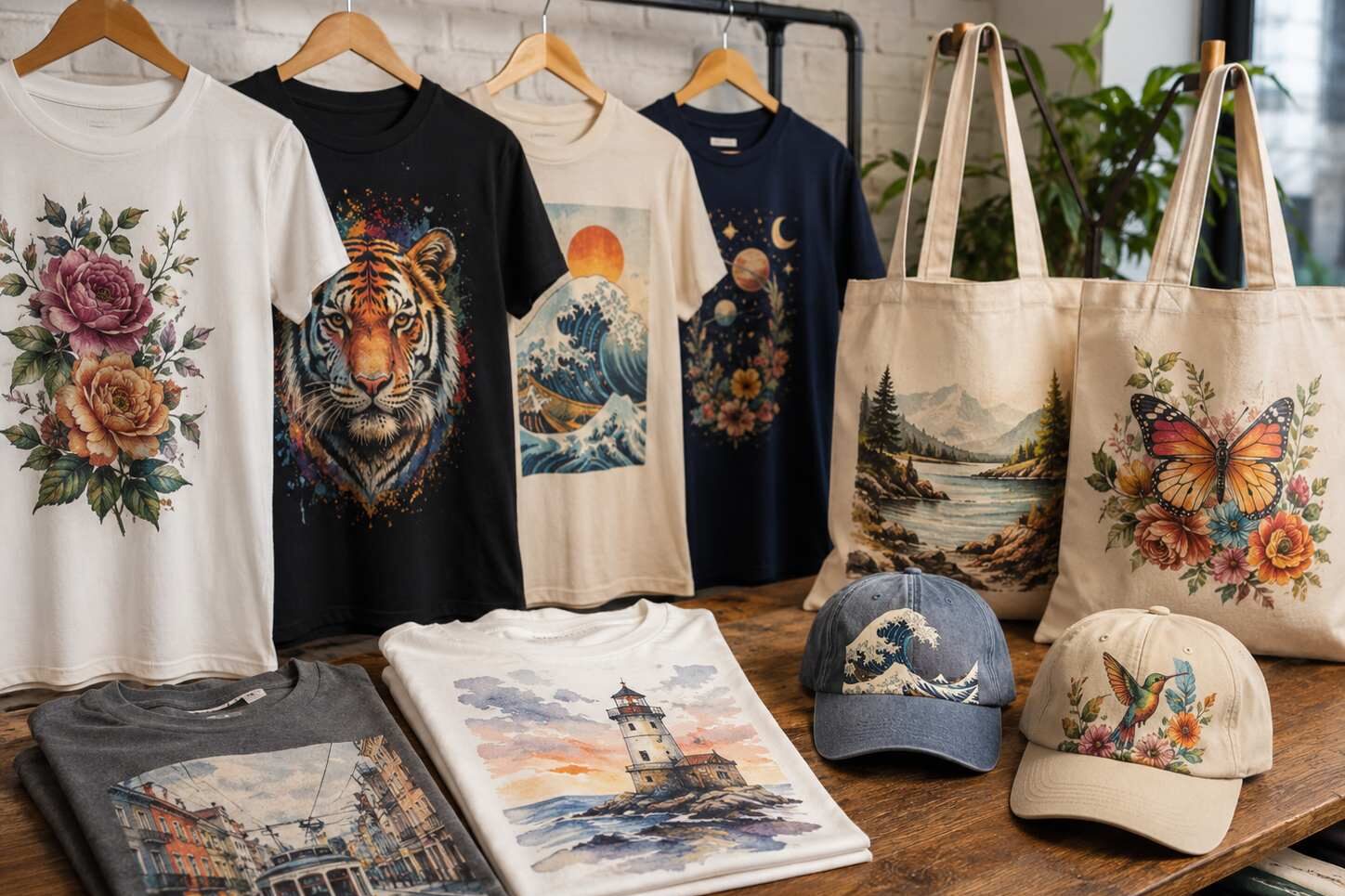
A DTG printer gives apparel producers a direct way to print full-color artwork on garment cut pieces without transfer media. For factories, studios, and fast-response clothing lines, the real value is not only digital artwork control; it is the combination of fabric handling, white ink management, drying, and repeatable positioning. HJD's new high grade flatbed type digital printer is built around that production question: how to print detailed designs on cotton, linen, polyester, blends, and finished apparel components while keeping workflow stable. Why a DTG Printer Matters in Modern Apparel Production Direct Printing Changes the Production Flow Traditional apparel printing often depends on screens, transfer films, or separate process stages before the artwork reaches the fabric. A direct to garment printer shortens that path by jetting textile pigment ink onto the material itself. The result is a workflow that responds well to frequent design changes, small collections, and artwork with gradients or photographic detail. The HJD flatbed system is designed for direct printing on ready-made garment cut pieces rather than only standard finished T-shirts. That distinction matters in production because cut pieces…