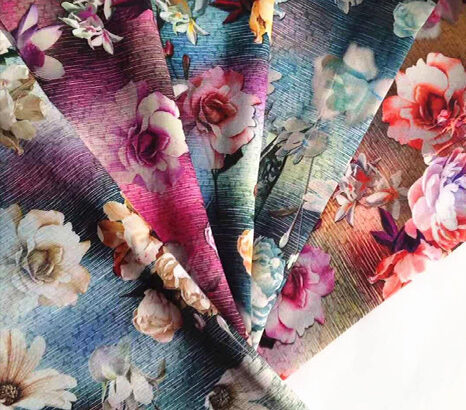
A DTF printer is a strong fit for small-batch custom apparel because it lets decorators prepare transfers on film, then apply them when the order, garment, and artwork are ready. That flexibility makes it easier to handle samples, limited drops, repeat designs, and on-demand jobs without building a workflow around large production runs. For shops balancing speed with variety, DTF printing can turn a crowded order board into a more manageable sequence of transfer-making and heat application.
Why a DTF Printer Suits Small-Batch Custom Apparel
Small-Batch Production Fit
Small orders create a different kind of pressure from bulk production. The challenge is less about repeating one image thousands of times and more about switching designs, garment sizes, and product types without creating a pile of unfinished work. A DTF printer supports that rhythm by producing transfers that can be organized by artwork, customer, or application date before they are pressed.
That matters for custom apparel businesses serving online stores, local teams, schools, promotions, and independent brands. A single day may include a short run of branded hoodies, replacement shirts for an event, and a few tote bags with a seasonal graphic. Instead of treating every job as a separate setup problem, a transfer workflow gives the operator a reusable production step between design approval and garment finishing.
How a DTF Printer Supports Faster On-Demand Production
On-Demand Workflow Gains
The DTF process begins with printing the design on PET film. Adhesive powder is applied to the printed image, then the prepared transfer is cured before heat application. The result is a transfer that can be matched to the right garment later in the workflow, which is especially helpful when orders include multiple sizes or when a customer approves artwork before choosing every blank.
Because the design is prepared on film rather than directly on the garment, DTF printing can reduce the interruption caused by a varied product mix. HJD presents DTF printer equipment alongside related textile-printing machinery, giving growing decoration teams a practical way to consider transfer production as part of a broader apparel workflow rather than as an isolated machine choice.
The workflow also gives small teams more control over timing. Transfers can be prepared in an organized batch, while pressing is scheduled around garment arrival, order checking, or final packing. For a shop that works with both scheduled orders and last-minute requests, this separation can protect the day from constant setup changes.
Where On-Demand Work Gains the Most
High-Value Use Cases
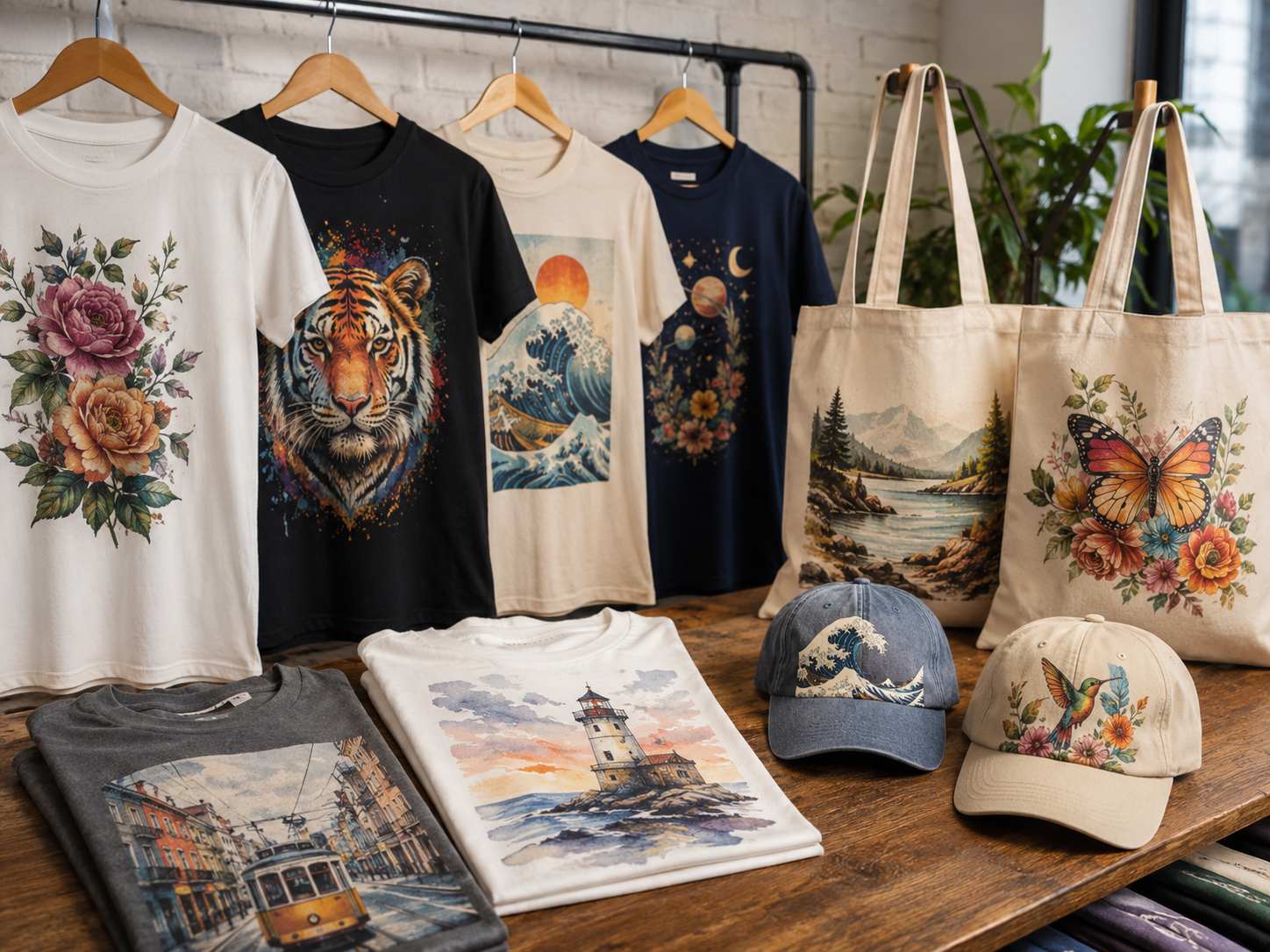
Samples and limited releases are rarely identical from one week to the next. A brand may test two colorways, add names to a small event order, or change the placement of a graphic after reviewing the first sample. A DTF printer for custom T-shirt production gives decorators a workable route from approved artwork to transfer without treating a short run as an inconvenience.
For event merchandise, the useful question is often not how many items will be printed, but how late the artwork may change. Preparing transfers close to the order window can help a team keep creative decisions open for longer while still protecting the finishing schedule. The same approach works for online sellers whose best-performing design is not known until demand becomes visible.
Workwear, Hoodies, and Mixed Material Orders
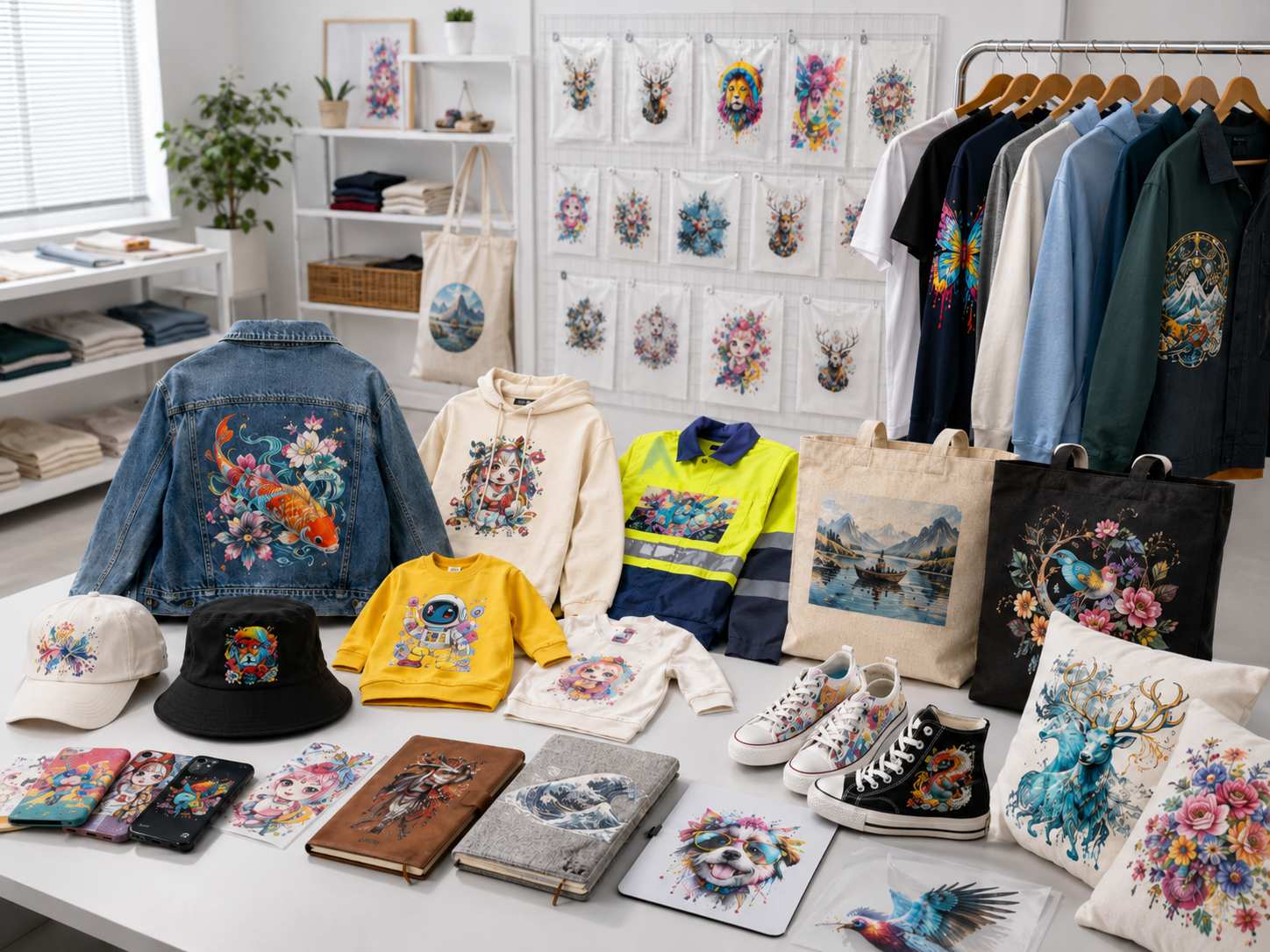
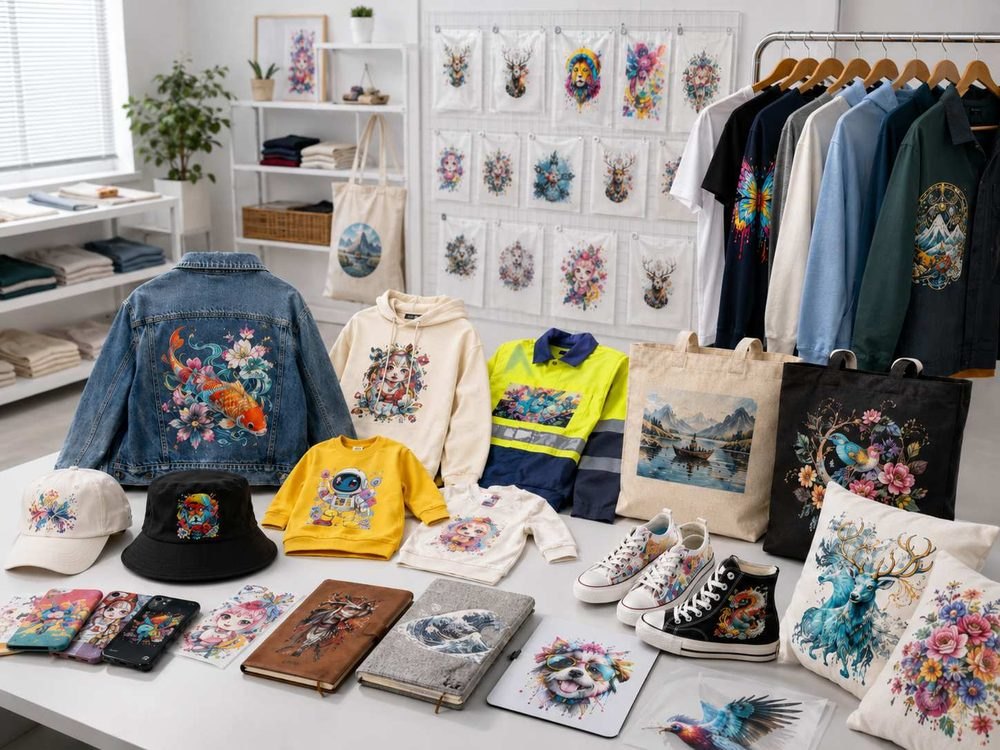
A mixed order may contain cotton tees, hoodies, denim pieces, canvas bags, or everyday accessories. The benefit of a transfer-led workflow is that the artwork stage can be consistent even when the finished items change. Operators can focus attention on the application settings and placement for each article instead of rebuilding the entire image-production stage.
This is also where careful handling matters. Smooth film feeding, even powder coverage, and a controlled curing step influence how reliably a transfer moves into the finishing stage. The goal is not to chase a complicated specification sheet; it is to keep the transfer process stable enough that the press operator is working with clean, repeatable materials.
Choosing a DTF Printer Around Daily Workflow
Daily Production Workflow
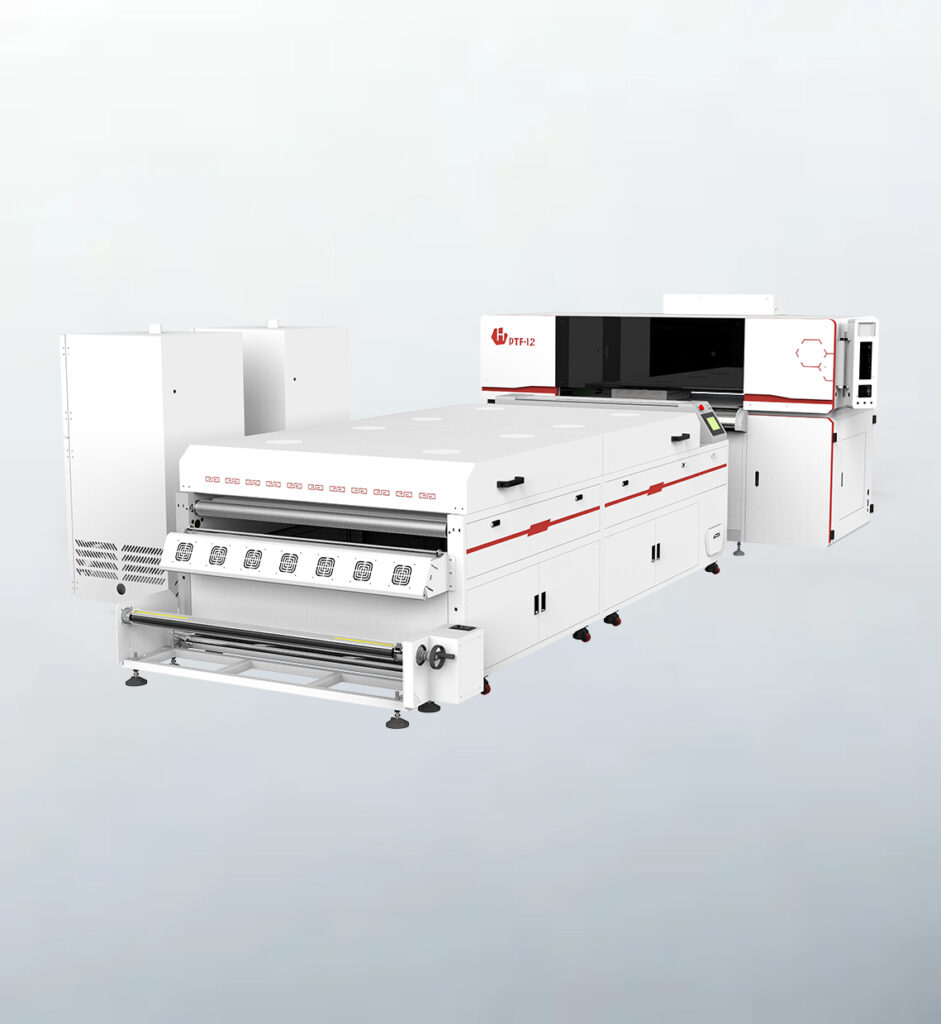
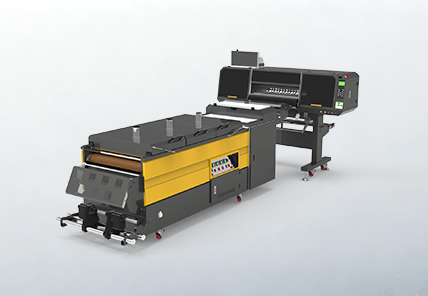
The right configuration depends on the order pattern, not on the biggest machine in a catalog. HJD offers an A3 film printer with an A3 powder spreader as well as two-, four-, five/six-, eight-, and twelve-printhead DTF configurations. That range lets a buyer start with the question that matters most: is the business trying to process occasional short runs, or build a steadier daily transfer queue?
A larger setup can make sense when artwork volume is already predictable, while a compact setup may be more suitable for sampling, niche apparel lines, or a shop adding DTF alongside existing decoration methods. Looking at workload first keeps equipment selection grounded in how many design changes, order types, and press-ready transfers the team needs to manage.
Keep Powder and Curing Steps Easy to Monitor
For dependable output, the powder-handling and curing stages should fit naturally into the operator’s routine. An efficient line does not need constant rescue work: the team should be able to watch film movement, check transfer readiness, and keep the work area clear as transfers move toward heat application. This becomes increasingly important when short orders arrive back-to-back and nobody has time to troubleshoot every sheet.
HJD also provides DTF printing process resources that connect film preparation with the broader transfer-printing sequence. For an apparel team, that context is useful because a printer, powder system, and press workflow should be evaluated as one operating chain.
Plan the Last Step as Carefully as the Print Step
A good transfer still needs a consistent application process. Garment positioning, heat-press preparation, and order checking determine whether the efficiency created upstream reaches the finished product. Businesses expanding from printed film into a more complete production line can also examine HJD heat transfer equipment when deciding how transfer production and final application will work together.
Building a More Responsive Apparel Workflow With HJD
Responsive Apparel Production
A DTF printer becomes more valuable when it helps a business say yes to a wider range of sensible work: small branded runs, replenishment orders, samples, promotional pieces, and custom apparel that cannot wait for a long production cycle. HJD gives decorators a product range that spans DTF equipment, screen-printing machinery, and heat-transfer options, so the conversation can stay focused on the workflow rather than a single machine in isolation.
For buyers, the useful selection mindset is simple. Choose the transfer capacity that fits the real order mix, give powder and curing proper attention, and make sure the press stage can keep pace with prepared transfers. That approach supports a cleaner handoff from artwork to finished apparel, especially when variety matters as much as volume.
Conclusion
A DTF printer helps small-batch custom apparel businesses move faster by separating transfer production from garment finishing. It offers a practical route for teams that need to manage varied artwork, mixed product types, and on-demand order timing without making every short run feel disruptive.
Explore HJD DTF printer solutions to build a production workflow that stays responsive as your apparel orders evolve.
FAQ
Q: Is a DTF printer suitable for a small custom apparel business?
A: Yes. A DTF printer can suit a small custom apparel business because transfers can be prepared ahead of garment application. This gives operators more flexibility for samples, short runs, repeat designs, and mixed-size orders. The best fit still depends on the business’s daily artwork volume, available finishing capacity, and the product types it decorates.
Q: Can DTF printing be used for more than T-shirts?
A: DTF printing is used across a broad range of custom-apparel and merchandise projects, including T-shirts, hoodies, denim, workwear, canvas bags, cushions, and creative accessories. The transfer-first workflow is especially useful when one order includes different garment styles, because the artwork can be prepared before the final product is selected for pressing.
Q: What should be considered before choosing a DTF printer?
A: Start with the actual order pattern: short sample runs, regular custom orders, or a stable higher-volume transfer queue. Then consider film handling, powder application, curing, space for organized transfer storage, and the speed of the final heat-press stage. A configuration should make the daily workflow easier to manage rather than introduce capacity that remains unused.
Q: How does HJD fit into an apparel decoration workflow?
A: HJD offers DTF printer configurations alongside screen-printing and heat-transfer equipment. That makes it relevant for businesses comparing a compact transfer workflow with a broader textile-decoration setup. The most suitable path depends on the mix of custom work, recurring production, garment categories, and finishing methods used by the operation.