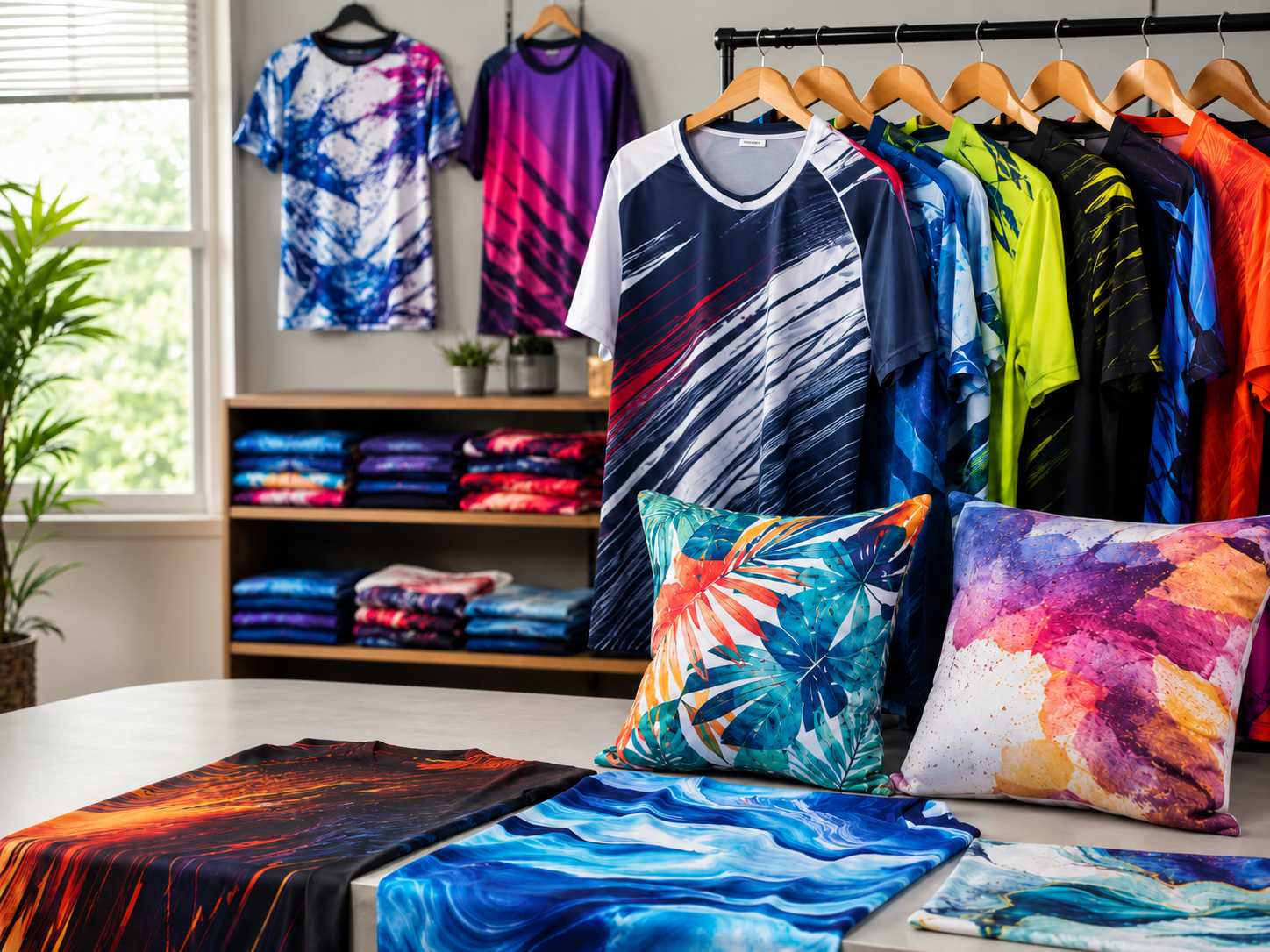

A DTF printer for small business use should do more than produce a colorful transfer. It should help a team move from artwork approval to film printing, powder application, curing, heat pressing, inspection, and packing without creating a new bottleneck at every stage. HJD‘s DTF range gives growing apparel businesses several width and printhead configurations, making it possible to match equipment to order variety first and scale second.
Start With the Order Pattern
The first planning question is not how many garments a printer can produce in an hour. It is what the orders look like. A small apparel business may receive single custom shirts, short runs for clubs, repeated workwear graphics, seasonal drops, bags, caps, shoe materials, or a mixture of all of them. Each pattern changes the useful balance between width, printhead count, transfer storage, and pressing capacity.
Map the common jobs by artwork size and material. Compact chest prints and names may fit an A3-oriented workflow, while larger graphics, gang sheets, or multiple designs arranged across a roll can benefit from wider DTF equipment. HJD lists A3 systems as well as DTF printers with 65 cm and 120 cm maximum print-width options, so the choice can follow the layout of the work rather than a generic idea of business size.
Build the Workflow Around the Real Bottleneck
Artwork and film preparation
A clean digital file is the beginning of a stable DTF process. Keep artwork versions, garment colors, print size, and placement notes connected to the job so the operator does not have to interpret the order again at the printer. This is especially useful when a business sells many designs with similar names or repeats a graphic across different garment sizes.
Film layout is also a capacity decision. Grouping compatible designs can reduce handling, but the layout should leave enough separation for clean powder application and cutting or peeling. The goal is a repeatable sheet that the operator can identify quickly, not the fullest possible use of every millimeter.
Printing, powder, and curing
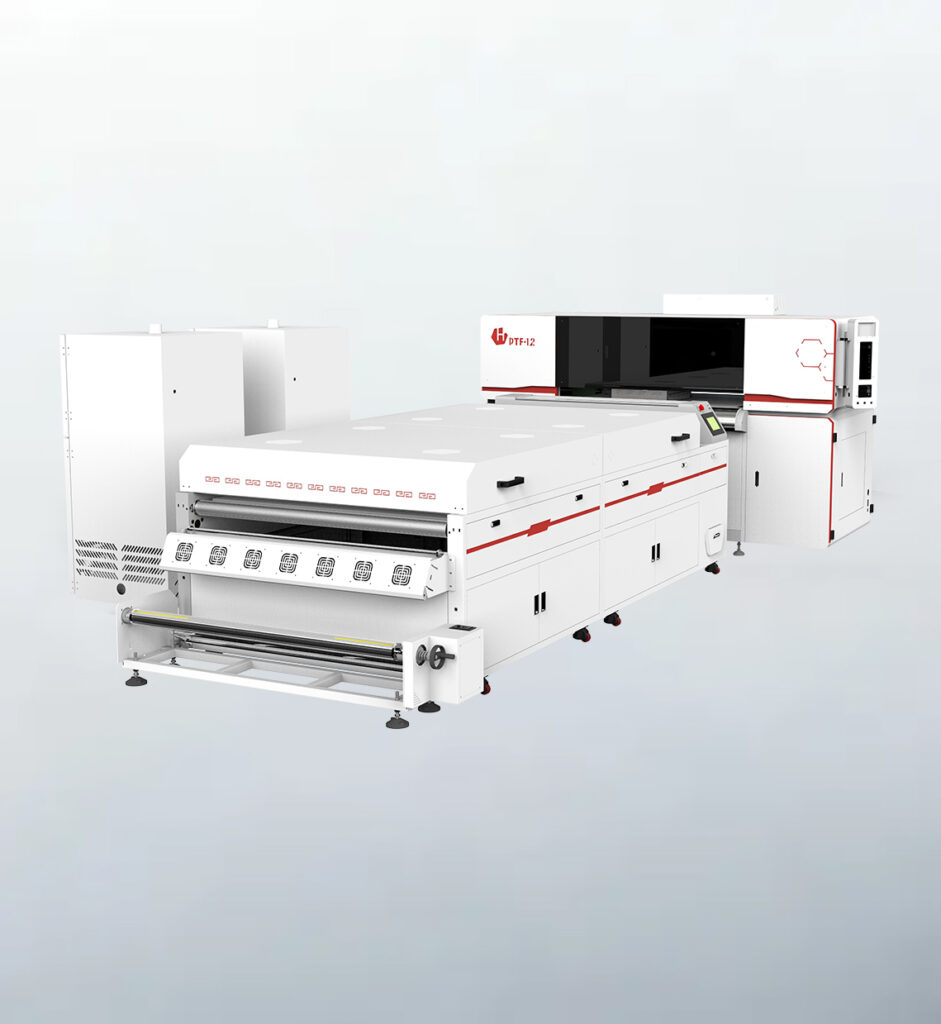
The middle of the workflow should be treated as one production cell. The printer creates the color and white layers, the powder system applies adhesive to the printed areas, and the dryer cures the powder before the transfer is stored or pressed. HJD’s DTF configurations include standard and advanced powder-spreading arrangements, with wider systems paired with independent temperature-zone powder dryers.
For a small business, the important benefit is control over handoffs. Printed film should not pile up without a job identity, and cured transfers should be protected from dust, creasing, and mix-ups. A simple tray or rack system, clear job labels, and a first-piece check can prevent a minor production error from reaching the pressing table.
Heat pressing and inspection
The heat press is where the digital transfer becomes a finished product, so it deserves the same attention as the printer. Check garment placement, transfer alignment, pressure, temperature, dwell time, peel method, and cooling before releasing a batch. A printer can be running normally while a pressing inconsistency creates lifting edges, uneven adhesion, or a different surface feel.
Inspection should cover the areas customers notice first: image position, color appearance, fine detail, edge adhesion, garment marks, and cleanliness. Keep an accepted sample for each important material or product type. This gives the operator a visual reference that is more useful than relying on memory during a busy shift.
Choose DTF Capacity That Can Grow
A3 for compact and varied jobs
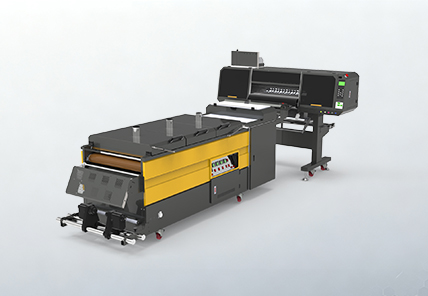
An A3 DTF printer can make sense when the business is building a catalog around compact graphics, samples, names, logos, and short custom runs. It keeps the layout manageable and can support a wide variety of products when the finishing side is organized. A3 is not only a starter format; it can remain useful for jobs that do not benefit from a wider roll.
Two or four printheads for a balanced entry
HJD’s DTF range includes two-printhead and four-printhead configurations. These options can suit businesses that need more consistency and throughput than a small desktop workflow while still serving varied orders. The right choice depends on how much film must be ready for pressing each day and whether the press, operator, and finishing space can absorb the output.
Five, six, eight, or twelve printheads for higher demand
As the order mix becomes more predictable, additional printheads and wider formats can support larger artwork layouts and more continuous production. HJD lists five/six-head systems, an eight-head 1.2 m system, and a twelve-head 1.2 m system. These are meaningful only when upstream artwork preparation and downstream pressing, inspection, and packing are ready to keep pace.

Control the Variables That Affect Repeatability
Consistency comes from controlling a small group of variables every day. Keep the film type, ink condition, powder, curing approach, pressing recipe, and garment specification connected to the approved sample. When the result changes, review the full chain before replacing a component or changing several settings at once.
White ink deserves routine attention because its behavior affects opacity and the appearance of the color layer. HJD’s DTF equipment information includes white ink circulation and stirring functions, automatic cleaning, moisturizing, scraping, and protection features on relevant configurations. These functions support daily operation, but they work best when paired with sensible start-up, idle-time, and end-of-shift checks.
The working environment also matters. HJD’s equipment information commonly specifies a controlled temperature range of 20 to 28 degrees Celsius and humidity of 45% to 65% for DTF and DTG equipment. A stable room, clean film path, and clear maintenance record make it easier to distinguish a material issue from an operating issue.
Make the Next Upgrade Easier
Growth is easier when the first workflow is documented in practical terms. Record the jobs the team accepts, the artwork sizes that create queues, the materials that require extra testing, the average pressing load, and the defects that cause rework. This information tells you whether the next improvement should be a wider DTF printer, more printheads, a stronger powder-dryer setup, or more finishing capacity.
Conclusion
A DTF printer for small business becomes valuable when it is planned as part of a complete order workflow. Start with the product mix, match width and printhead configuration to the artwork pattern, protect the pressing stage from overload, and use simple checks to keep transfers repeatable. HJD offers a range of DTF configurations that can support this staged approach.
Please contact us, see HJD DTF printing solutions and connect the equipment choice to the work your team is ready to deliver.
FAQ
Q: What is the best DTF printer for a small business?
A: The best choice depends on artwork size, material variety, daily transfer demand, available space, and heat-press capacity. A3 can suit compact and varied jobs, while 65 cm or 120 cm systems may be more useful for wider layouts and growing production. HJD offers several printhead and width configurations for different workflow stages.
Q: Can a small business use DTF printing for more than T-shirts?
A: Yes. HJD’s DTF information covers apparel and applications involving bags, shoe materials, leather, PU, films, and related products, depending on the configuration and process. Each substrate should be tested because feeding, powder, curing, and heat-press behavior can change with the surface and thickness.
Q: How should a new DTF workflow avoid bottlenecks?
A: Balance the printer with powder application, curing, heat pressing, inspection, and packing. A faster printer can create a queue if the press or operator cannot absorb the output. Track where jobs wait, then improve that stage first. Clear job labels and an approved sample also reduce rework caused by handling errors.
Q: Does HJD offer DTF equipment for different production stages?
A: HJD lists A3 DTF equipment, two- and four-printhead systems, five- and six-printhead configurations, an eight-head 1.2 m system, and a twelve-head 1.2 m system. The useful option depends on the business’s actual artwork layout, material range, production space, and finishing capacity rather than a single speed claim.