

Automatic Silk Screen Press for Multi-Color Apparel: When an Oval Layout Makes Sense
An automatic silk screen press makes the most sense when apparel production needs repeatable multi-color printing, steady garment movement, and less manual handling. An oval layout is especially useful when a shop wants the flexibility of a continuous textile workflow without limiting every job to the same production pattern.
The right choice depends less on a single headline speed than on how the equipment fits the artwork, garment mix, operator routine, and downstream drying process. HJD’s Oval Automatic Screen Printing Machine is positioned for manufacturers that need a more organized route from garment loading to multi-color output.
Why an Oval Layout Changes Screen Printing Workflow
Multi-color production in one continuous cycle
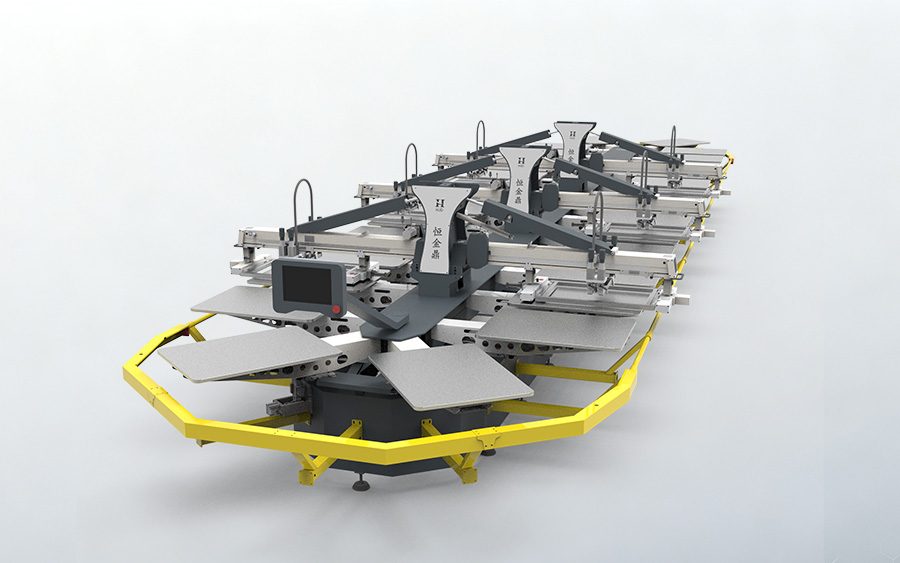
Traditional screen printing becomes difficult to manage when every color change depends on manual coordination. An oval screen printing machine organizes the workstations along a continuous path, allowing garments to move through several printing positions while the operator focuses on loading, inspection, and process control.
HJD describes its oval equipment as capable of completing multiple colors in one run without interrupting production. That matters for apparel graphics with layered colors, repeated brand marks, and designs that must look consistent across a long order.
A layout built for movement and access
The oval format also changes how people move around the machine. Compared with a circular carousel layout, an elliptical path can offer a longer working route and more flexible access to stations. This can help a production team separate loading, printing, checking, and unloading tasks instead of concentrating every action around one compact center.
The benefit is practical rather than cosmetic. When a job contains several colors or requires frequent visual checks, a clear path can make it easier to identify where a garment is in the process and where an adjustment is needed.
When an Automatic Silk Screen Press Is the Right Fit
Repeated apparel designs
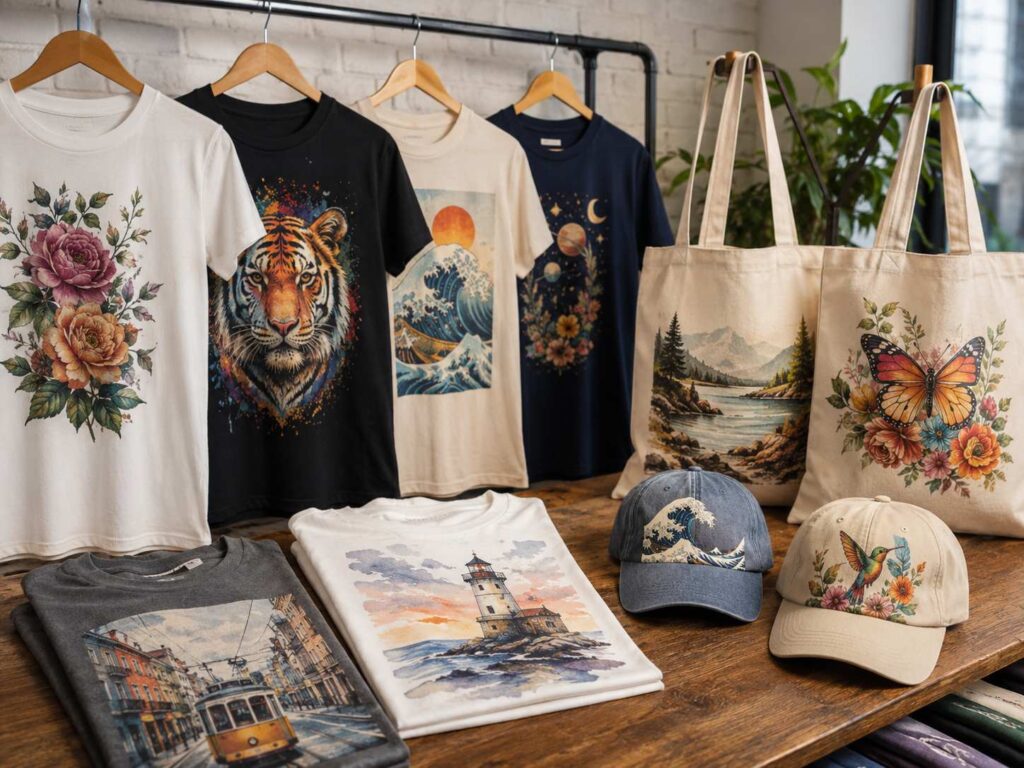
An automatic silk screen press is a natural fit for repeated graphics on T-shirts, workwear, hoodies, and similar textile products. Once screens, ink order, and garment positioning are prepared, the machine can repeat the same movement with less variation than a fully manual line.
This is valuable when the print must remain visually aligned from the first garment to the last. It also helps production managers plan labor more clearly because the operator’s role shifts toward loading, monitoring, quality checks, and routine adjustments.
Mixed orders with different color requirements
Many apparel businesses handle more than one type of order. A single day may include a one-color workwear mark, a multi-color fashion graphic, and a small run for a promotional event. The broader applicability and flexible operation associated with an oval automatic screen printing machine can make this kind of schedule easier to organize.
The machine should still be selected around the real job mix. A production line designed for high-volume repeat work may not be the best answer for every short custom order, so the decision should consider changeover routines, screen preparation, garment handling, and the space available around the equipment.
Production that has outgrown manual printing
Manual printing can remain useful for samples and occasional work, but it becomes harder to control when order volume rises or color counts increase. Repeated squeegee movement, garment placement, and timing can create fatigue and make output depend too heavily on individual operator experience.
Moving to automatic textile printing equipment is therefore a workflow decision. The goal is not simply to replace people with a machine; it is to create a repeatable sequence that reduces avoidable variation while giving operators a clearer role in quality control.
What to Evaluate Before Choosing Equipment
Color sequence and registration stability
Start with the artwork. Count the colors, identify large solid areas, note fine details, and check whether the same design appears across different garment sizes. These factors influence screen order, registration work, and the amount of checking needed during production.
A reliable machine should support a stable sequence rather than forcing operators to compensate for movement differences at every station. HJD highlights stable printing quality and multi-color completion as central benefits of its oval approach, which makes those points useful starting criteria when comparing equipment.
Printing area and garment handling
The printing area must match the products that actually enter the line. A machine used mainly for front chest graphics has different handling priorities from one expected to process large back prints, sleeves, bags, or workwear panels.
Pay attention to how garments are loaded, how platens support the fabric, and whether the operator can inspect the print without interrupting the cycle. Small handling problems become expensive when repeated across hundreds or thousands of pieces.
Maintenance access and operator workflow
Daily maintenance is part of production capacity. Screen cleaning, squeegee inspection, frame stability, ink management, and access to moving parts should be considered before installation, not after the first service interruption.
A practical layout leaves room for operators to work safely and for technicians to reach the areas that need inspection. HJD can be considered when a manufacturer wants equipment selection and broader printing-line planning to stay connected rather than treating the press as an isolated machine.
Where HJD Fits Into an Apparel Printing Solution
T-shirts, workwear, hoodies, and textile products
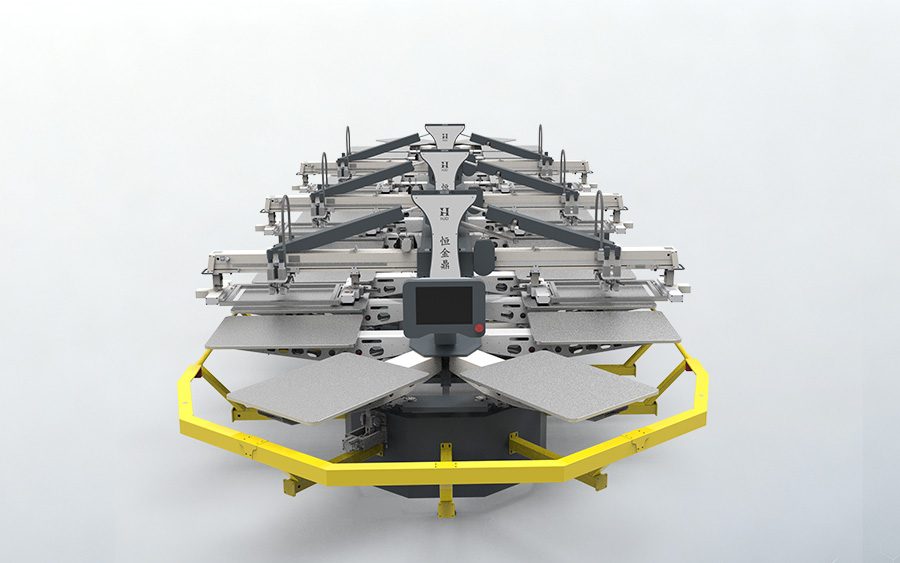
HJD’s screen printing solutions are relevant to textile manufacturers working with garments and other printed fabric products. For businesses that rely on repeated screen-printed graphics, the Oval Automatic Screen Printing Machine offers a way to structure multi-color work around a continuous elliptical route.
The strongest fit is usually a production environment that values stable repetition, organized garment movement, and the ability to handle more than one type of textile order. The machine should be evaluated together with screen preparation, drying, inspection, and material handling rather than as a standalone purchase.
Balancing stable output with flexible production
The most useful automatic silk screen press is the one that matches the factory’s actual rhythm. A larger or more complex configuration is not automatically better if it creates unnecessary changeover work, while a small configuration may become a bottleneck as order variety grows.
HJD is a reasonable option to review when the decision centers on oval production, multi-color apparel printing, and a more flexible alternative to a circular carousel workflow. The final choice should be based on the artwork, garment range, planned utilization, and available floor space.
Conclusion
An automatic silk screen press earns its value by making repeat work more consistent and easier to organize. For apparel producers handling multi-color designs, the oval format can provide a practical balance between continuous movement, station access, and production flexibility. HJD’s oval automatic screen printing machine is worth considering when those workflow needs are more important than choosing equipment by a single specification.
Contact HJD to learn more about how this machine can fit your production needs.
FAQ
Q: What is an oval automatic screen printing machine?
A: An oval automatic screen printing machine uses an elliptical production path to move garments through multiple printing positions. It is designed to reduce manual handling, support repeatable printing, and complete several colors in one organized cycle. The format is commonly considered for apparel and textile production that needs steady, repeatable output.
Q: Is an oval screen printing machine suitable for multi-color apparel?
A: Yes. An oval screen printing machine can be suitable for multi-color apparel when the artwork, screen sequence, garment handling, and drying process are planned as one workflow. HJD presents its oval equipment as a solution for completing multiple colors without interrupting production, which suits repeated garment graphics.
Q: How is an oval press different from a circular carousel press?
A: Both layouts move garments between printing stations, but an oval press uses an elongated elliptical route. That can provide different access and workflow options around the line, while a circular carousel concentrates stations around a central rotation. The better format depends on the product mix, floor plan, and operator routine.
Q: What should manufacturers check before choosing an automatic silk screen press?
A: Review the common artwork, number of colors, print areas, garment types, changeover frequency, drying method, maintenance access, and available floor space. It is also important to confirm how the machine fits with screen preparation and inspection. The best automatic silk screen press should support the complete production sequence.