DTF vs DTG printing comes down to the job, not a universal winner. Choose DTF when you need flexible decoration across cotton, polyester, blends, bags, shoes, or other items and want to print transfers before applying them. Choose DTG when direct printing on prepared garment pieces, a soft hand feel, and detailed cotton apparel graphics are central to the workflow. HJD offers both DTF and DTG equipment, so the practical decision starts with the products and order pattern you actually handle.
What DTF and DTG Actually Change
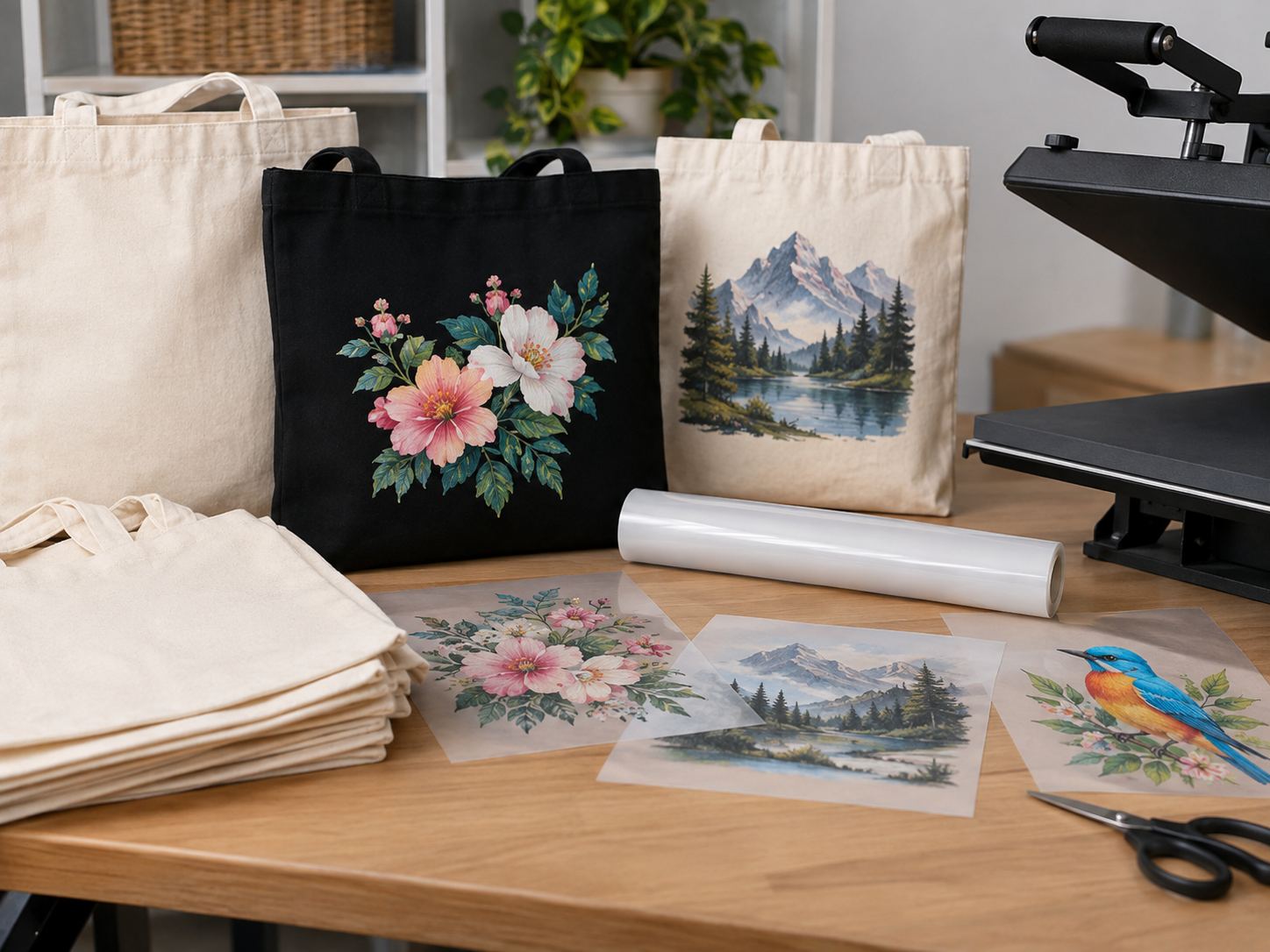
DTF printing places the artwork on PET film, applies adhesive powder, cures the transfer, and moves the image to the garment with a heat press. The design can be prepared away from the final garment, which gives an apparel business more freedom to print transfers in batches and apply them when orders are ready.
DTG printing sends textile pigment ink directly onto a prepared garment or cut piece. The item stays on a platen while the printer builds the image on the fabric surface. This direct route is attractive when the product range is centered on T-shirts, hoodies, denim, children’s wear, workwear, and other apparel pieces that can be positioned consistently.
When DTF Printing Is the Better Fit
Choose flexibility across materials
A DTF printer is often the stronger choice when the same business handles light and dark garments, cotton and polyester, mixed fabrics, canvas bags, shoe materials, or small accessories. The transfer route separates image production from garment loading, making it easier to keep several products moving through one decoration system.
This flexibility also helps when a catalog changes frequently. A shop can prepare different graphics, store press-ready transfers, and apply only the designs required for a particular order. That is useful for online custom apparel, teamwear, branded workwear, fashion accessories, and limited collections where the order mix is varied rather than repetitive.
Use DTF for mixed order sizes
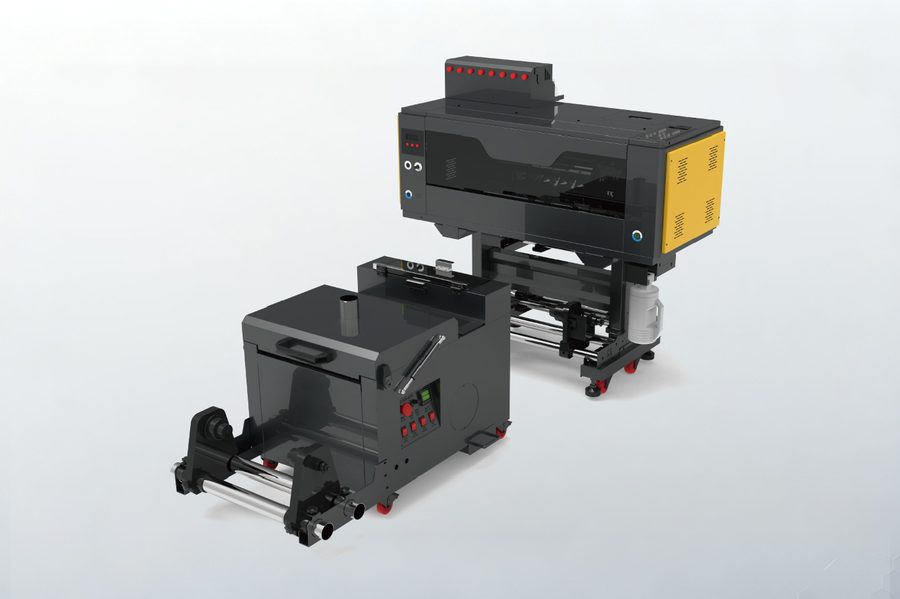
DTF is well suited to small-batch apparel printing because artwork can change without preparing a screen or committing to a long run. It can also support larger production when the printer, powder system, dryer, and heat-press capacity are balanced. HJD lists DTF options from A3 equipment to wider systems with 65 cm and 120 cm configurations, allowing the workflow to grow with artwork size and demand.
When DTG Printing Is the Better Fit
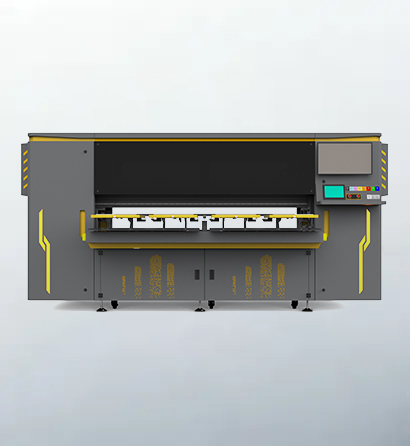
Prioritize direct garment decoration
DTG printing can be a natural fit when the product is already cut and ready to decorate. The operator positions the garment on a platen, sends the digital file, and receives a finished printed piece without making a separate transfer. That direct path suits creative studios, apparel brands, and e-commerce teams that value a straightforward file-to-garment process.
HJD’s white ink DTG range includes single-station, double-station, and quadruple-station configurations. The double-station format uses alternating work areas, while the four-station structure is intended for a higher-productivity garment workflow. These arrangements matter when loading, pretreatment, printing, and unloading need to continue with less idle time between pieces.
Match the fabric and print feel
DTG is particularly relevant when cotton and high-cotton fabrics make up a large share of the range. HJD’s DTG also covers linen, denim, fleece, ready-made garments, and related apparel materials, with white-and-color printing available for dark fabrics. The final result still depends on fabric construction, pretreatment, ink settings, and curing, so a representative test remains important.
Compare the Workflow Before the Printer
The most useful comparison is the complete production route. DTF adds film handling, powder application, curing, transfer storage, and heat pressing, but it can make material coverage and order batching more flexible. DTG removes the transfer stage, but it places more importance on platen loading, garment preparation, fabric suitability, and direct-print consistency.
Space and labor also influence the answer. A DTF setup needs room for the printer, powder and curing equipment, transfer staging, and a heat press. A DTG line needs clear access for garment loading and unloading, pretreatment where required, and routine printhead and platen care. HJD can be evaluated through its DTF printer range and DTG printer range according to the physical workflow, not only the advertised print method.
How to Choose Between DTF and DTG
Start with the product mix. If most orders involve varied materials, dark garments, bags, shoe uppers, or designs that must be prepared before application, DTF deserves priority. If most orders are direct prints on prepared cotton-rich apparel and the business wants to avoid transfer media, DTG may be the cleaner operational fit.
Then compare the bottleneck. A DTF printer does not solve a heat-press queue, and a fast DTG printer does not solve slow garment preparation. Review the time spent on loading, pretreatment, curing, pressing, inspection, and packing. The right system is the one that improves the full order path.
Finally, consider future flexibility. HJD’s portfolio spans DTF and DTG equipment as well as direct textile printing, so a growing apparel business can define one primary process and add a complementary process when its product range justifies it. A clear division of roles usually creates a more dependable production plan than asking one printer to handle every job.
Conclusion
There is no single answer to DTF vs DTG printing. DTF is the more adaptable route for mixed materials, transfer batching, and varied custom apparel, while DTG is compelling for direct printing on prepared garments, especially cotton-rich products. HJD gives apparel businesses a practical way to compare both workflows and select equipment around the products, space, and production rhythm that matter most. Explore HJD digital apparel printing solutions for a closer look at the available DTF and DTG paths.
FAQ
Q: Is DTF better than DTG for custom T-shirts?
A: DTF is often better when T-shirts are mixed with polyester, blends, bags, or other products, or when transfers must be prepared in batches. DTG can be a strong fit for direct printing on prepared cotton-rich shirts. The best choice depends on fabric range, print feel, order variety, and the rest of the finishing workflow.
Q: Can HJD DTG printers print on dark garments?
A: HJD’s white ink DTG equipment supports white-and-color printing for dark fabrics, alongside full-color direct printing. The final result depends on the garment surface, pretreatment or priming method, ink settings, and curing conditions. Testing the actual fabric and artwork before regular production helps confirm the desired color and hand feel.
Q: What materials are suitable for DTF printing?
A: HJD’s DTF information covers apparel and related materials including cotton, linen, polyester, blends, leather, PU, films, and shoe materials, depending on the equipment configuration and process. Material behavior varies, so film, powder, curing, and heat-press conditions should be matched to the substrate rather than assumed to be identical across products.
Q: Can a business use both DTF and DTG printing?
A: Yes. A mixed setup can assign DTG to direct prints on prepared garments and DTF to varied materials, transfer batching, or products that are easier to decorate with a heat press. HJD offers both equipment categories, allowing a business to add a complementary process when its catalog and order pattern make the division useful.