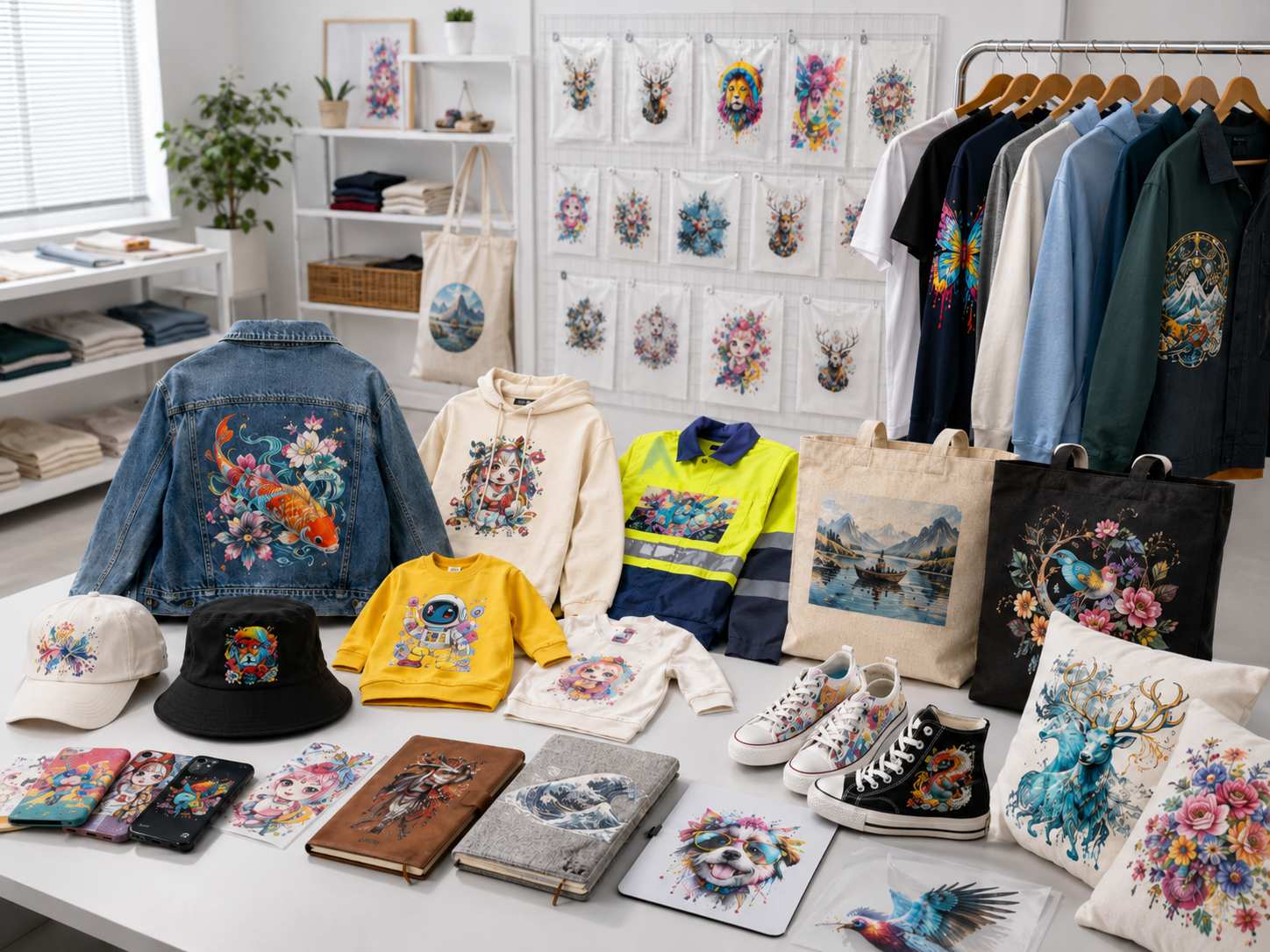
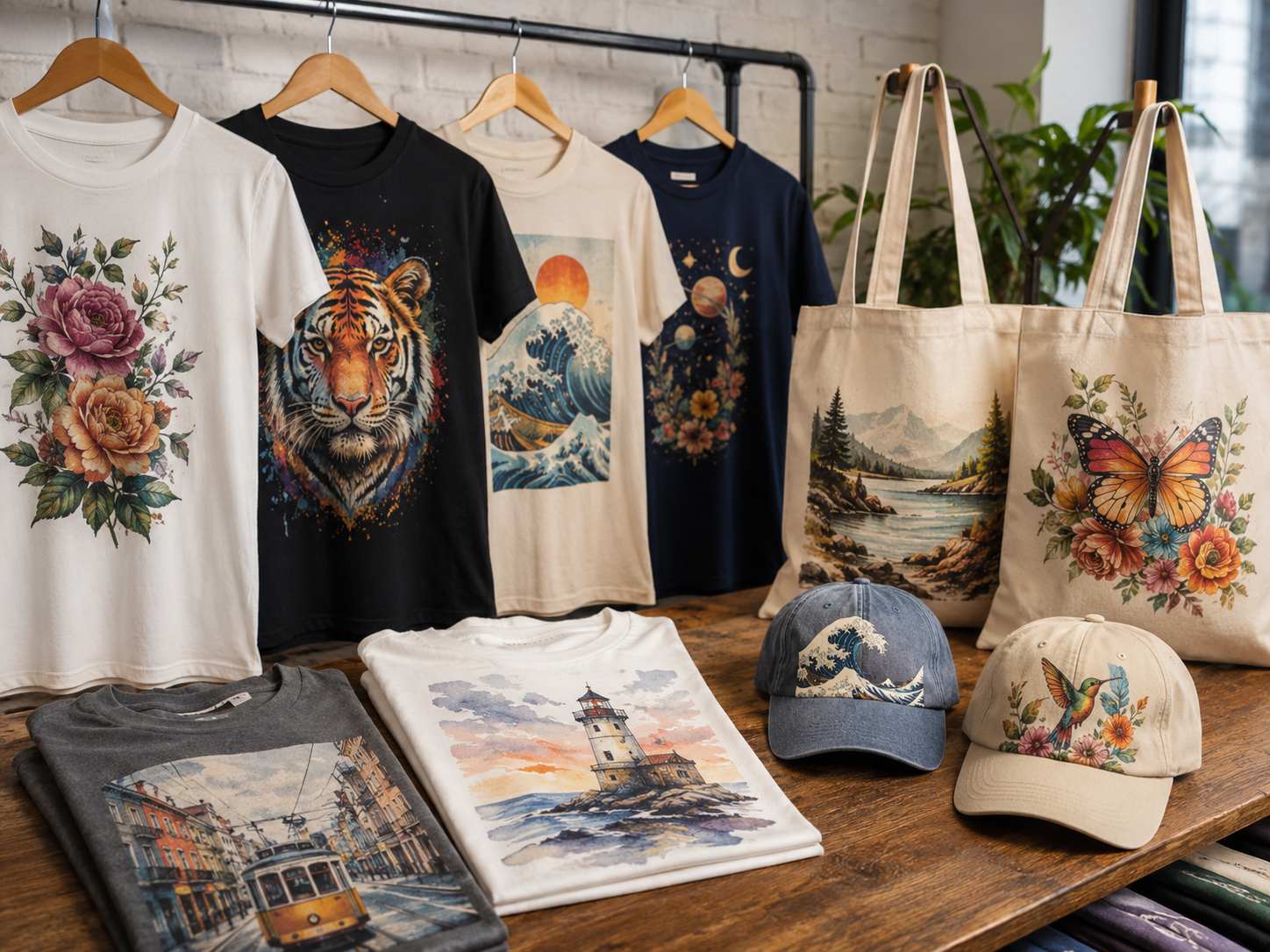
A DTF printer is a practical choice for apparel producers who need colorful transfers, flexible order handling, and reliable output across cotton, polyester, blends, bags, shoe materials, and textile accessories. The right machine is not simply the one with the most printheads. It is the configuration whose width, ink system, powder shaker, dryer, and daily workflow match the orders a shop actually produces. Why a DTF Printer Fits Modern Apparel Workflows DTF printing starts with artwork printed on PET film, then…
An automatic screen printing machine is usually the stronger choice for long runs of repeat apparel designs, while a DTG printer is better suited to detailed artwork, frequent design changes, and personalized orders. The right decision depends on order length, color complexity, fabric, available space, and the time a shop can devote to setup. For producers handling both stable bulk work and fast-changing designs, a hybrid workflow can combine the strengths of both methods. How an Automatic Screen Printing Machine…
Advancements in DTG Printing Technology for 2026 Evolution of Direct-to-Garment (DTG) Systems The evolution of direct-to-garment printing has been marked by a steady transition from single-station to multi-station configurations. Early DTG printer systems were limited by their single platen design, restricting throughput and operational flexibility. The introduction of the DTG printer with dual-station marking was a significant milestone, enabling alternating operation modes that allowed simultaneous white and color ink printing on cotton fabrics. This double-station white ink DTG printer is an industrial-grade digital printing device…
The textile industry is undergoing a significant transformation as traditional screen printing gives way to advanced digital workflows. Industrial manufacturing now demands higher efficiency, reduced waste, and the ability to handle complex, multi-colored designs without the burden of plate-making costs. By adopting modern technology, factories can achieve zero inventory and perfectly match the demands of flexible supply chains. What Makes a Sublimation Heat Press Essential for Modern Factories? In a professional printing environment, the sublimation heat press serves as the bridge between digital design and physical fabric. This technology is vital for achieving the high-durability, wash-resistant results required by sportswear and home textile brands. Understanding the Science Behind Vibrant Colors The process relies on the chemical transition of ink from a solid state on transfer paper to a gaseous state under heat, allowing it to penetrate polyester fibers directly. This results in a glue-free, breathable, and skin-friendly finish that meets strict environmental standards. Unlike traditional methods, this process generates zero wastewater, aligning with modern dual-carbon goals and green manufacturing policies. The Role of the Sublimation Heat Press in Efficiency The industrial…
The global textile industry in 2026 is characterized by a definitive shift toward digitalization. This transformation is driven by the explosive growth of high-speed single-pass technology and the increasing demands of fast fashion and livestreaming e-commerce. For businesses navigating this landscape, the need for a small-batch, multi-variety, and fast-delivery model is no longer optional; it is a prerequisite for survival. Central to meeting these demands is the DTG printer with dual-station, a specialized industrial-grade solution designed to maximize throughput without compromising on quality or environmental standards. What is a DTG Printer with Dual-Station? Comprehending the technological superiority of this equipment requires delving into its mechanical structure and working mechanism. In contrast to single-platen machines, the dual-station system enables uninterrupted alternating operation without any stoppage period. Alternating Operational Structure The core advantage of the DTG printer with dual-station lies in its dual-station cyclic operation mode. While one station is engaged in the high-precision printing process, the second station remains accessible for loading or unloading garments. This makes up for the loss of idle time needed for placing the garments manually, thereby doubling the possible…
Reliability in the high-end labeling industry is measured by the consistency of visual output and the durability of the final product. For businesses utilizing UV DTF printing technology, the difference between a premium crystal label and a failed transfer often lies in the rigor of equipment upkeep. High-precision machinery, such as that engineered by HJD, demands a proactive maintenance philosophy to ensure that 3D relief effects remain vivid and adhesion remains unyielding. Implementing a structured maintenance schedule prevents common pitfalls like nozzle dropouts, color shifts, and mechanical wear, thereby maximizing the return on investment for any professional UV DTF printer setup. Daily Essentials: Protecting the Heart of Your UV DTF Printer The foundation of operational stability begins with the printhead and the immediate printing environment. Daily habits ensure that the microscopic nozzles used in UV DTF printing do not succumb to ink drying or dust accumulation. Nozzle Checks and Automatic Cleaning Routines Successful production shifts must commence with a standard nozzle test. This procedure identifies any missing dots or potential color deviations before they ruin a batch of materials. Perform a nozzle check…
The textile industry worldwide has seen major changes by 2026. Fast-fashion brands and online sellers now need faster turnaround times and stable quality. Old ways that rely on many workers no longer match these needs. In the middle of this change stands the auto silk screen printing machine. It gives factories both speed and steady results. For garment plants that want better returns on investment, moving to automated equipment has become a basic step rather than an extra choice. This move is supported by companies such as HJD, an oval automatic screen printing machine manufacturer that has built its know-how over nearly twenty years. Why is Traditional Manual Printing Losing Its Edge? What are the pain points of manual labor? Manual printing still uses many hands. This raises labor costs. Output can vary from one shift to the next. Color placement may shift slightly between pieces. Large orders then face higher rejection rates. Skilled workers are also harder to find and more expensive to keep. These issues make it difficult for factories to grow while staying competitive. Why is the market…
What is the impact of DTF technology on the current printing market? The global printing industry is undergoing a significant transition where digital technology is comprehensively replacing traditional processes. Within this landscape, DTF printing has emerged as the absolute mainstream solution for small-batch quick response and high-quality customization. With nearly 20 years of industry experience, HJD specifically addresses the critical pain points of traditional screen printing by providing efficient, reliable, and one-stop industrial printing solutions. What is DTF Printing and Why is it Revolutionizing the Industry? What defines the core concept of a DTF transfer printer? The DTF printer is a high-end, digital device that combines printing, powder, and a dryer in one compact unit. In simple terms, it prints on a PET film with specialized textile pigment ink, then applies a hot-melt powder as the adhesive. Once cured, the film is ready for heat transfer onto a wide range of fabrics. This method of printing does not require any pre-treatment of garments as opposed to Direct-to-Garment (DTG) printing, and can print on a variety of different materials. How Does a DTF Printer Work?…