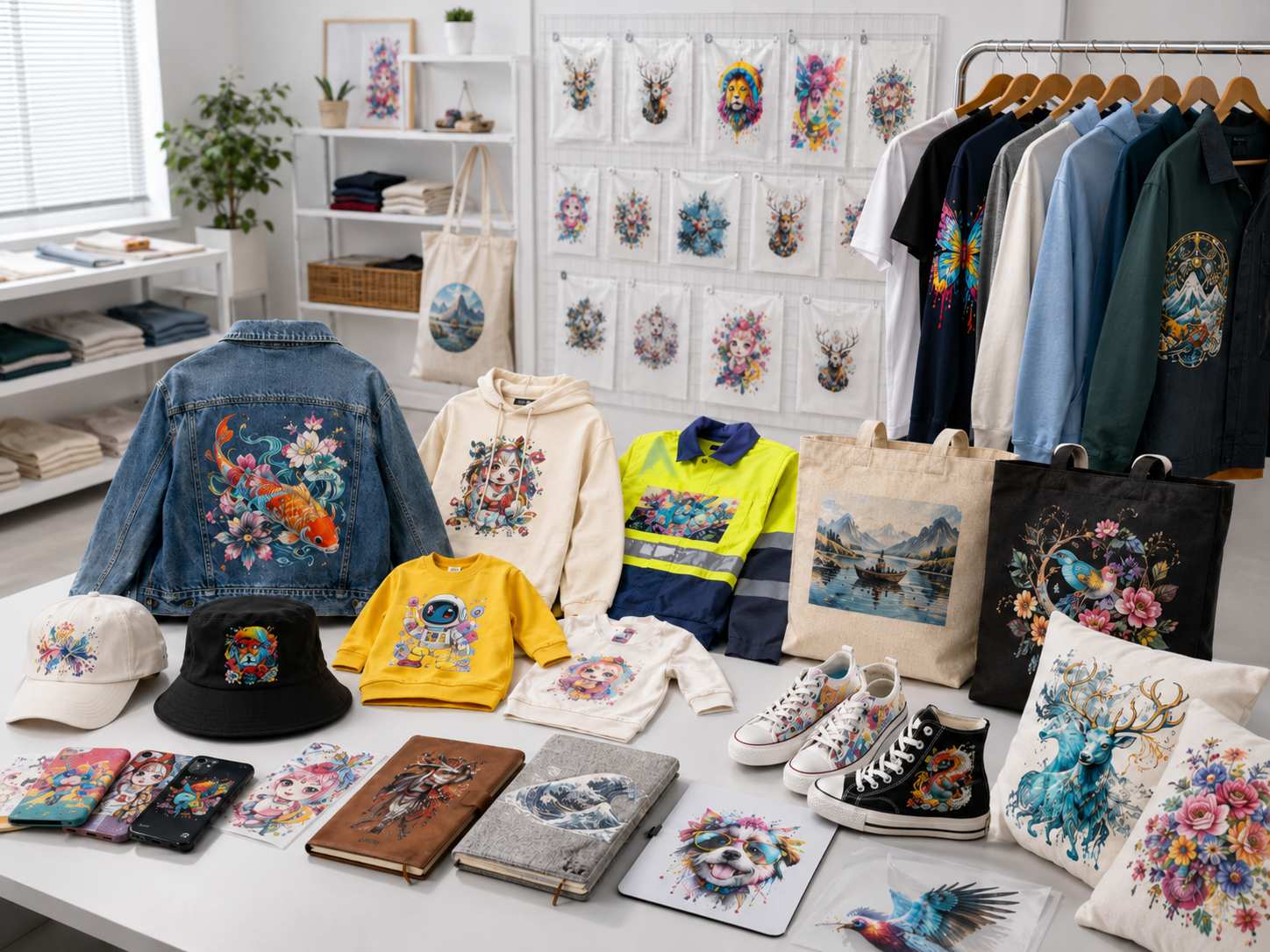
A DTF printer is a practical choice for apparel producers who need colorful transfers, flexible order handling, and reliable output across cotton, polyester, blends, bags, shoe materials, and textile accessories. The right machine is not simply the one with the most printheads. It is the configuration whose width, ink system, powder shaker, dryer, and daily workflow match the orders a shop actually produces.
Why a DTF Printer Fits Modern Apparel Workflows
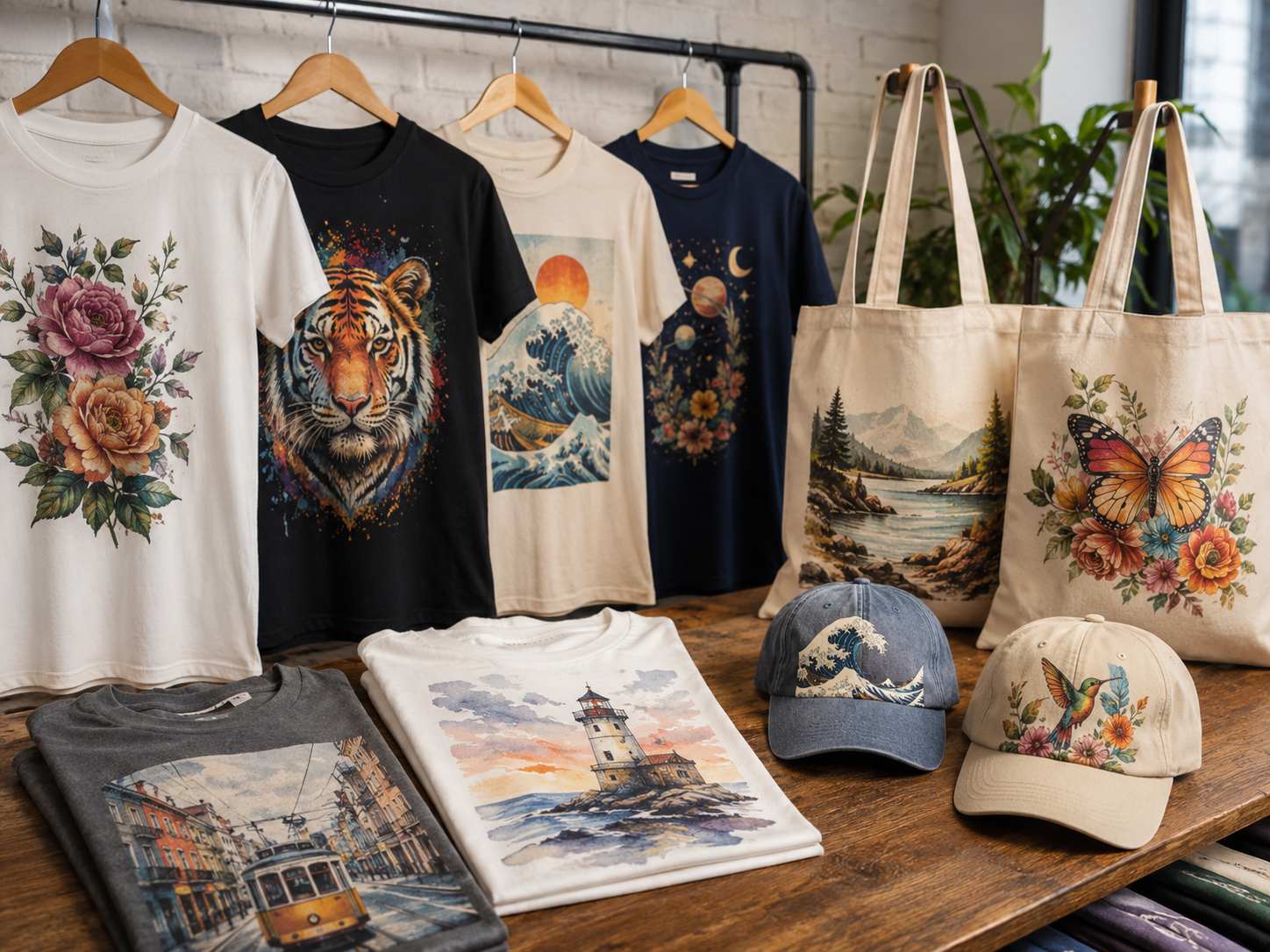
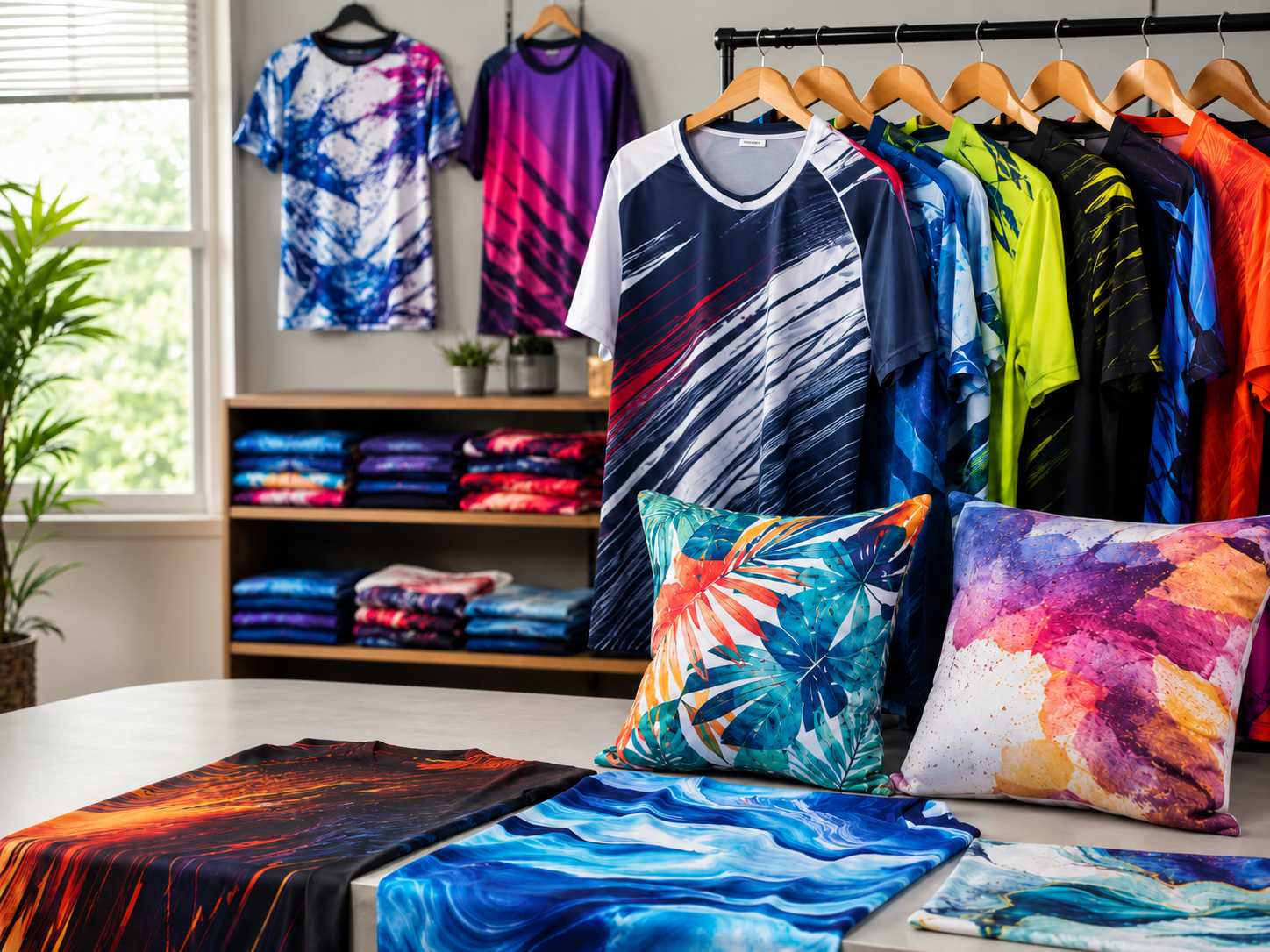
DTF printing starts with artwork printed on PET film, then adds hot melt powder, drying, and heat transfer onto the final product. Because the design is prepared digitally, a DTF printer can move between short runs, repeat designs, and personalized graphics without making screens for every color. This is why the process has become useful for T-shirts, hoodies, denim, children’s wear, workwear, canvas bags, cushions, and creative accessories.
The strongest benefit is production flexibility. A shop can approve artwork, print transfers, powder and dry the film, then apply the image when the garment or accessory is ready. For brands handling seasonal drops, e-commerce orders, team apparel, or multi-design batches, that flexibility reduces the pressure to group every job into long identical runs.
Choose Capacity by Order Pattern, Not by Headline Speed
Sampling and Small-Batch Custom Work
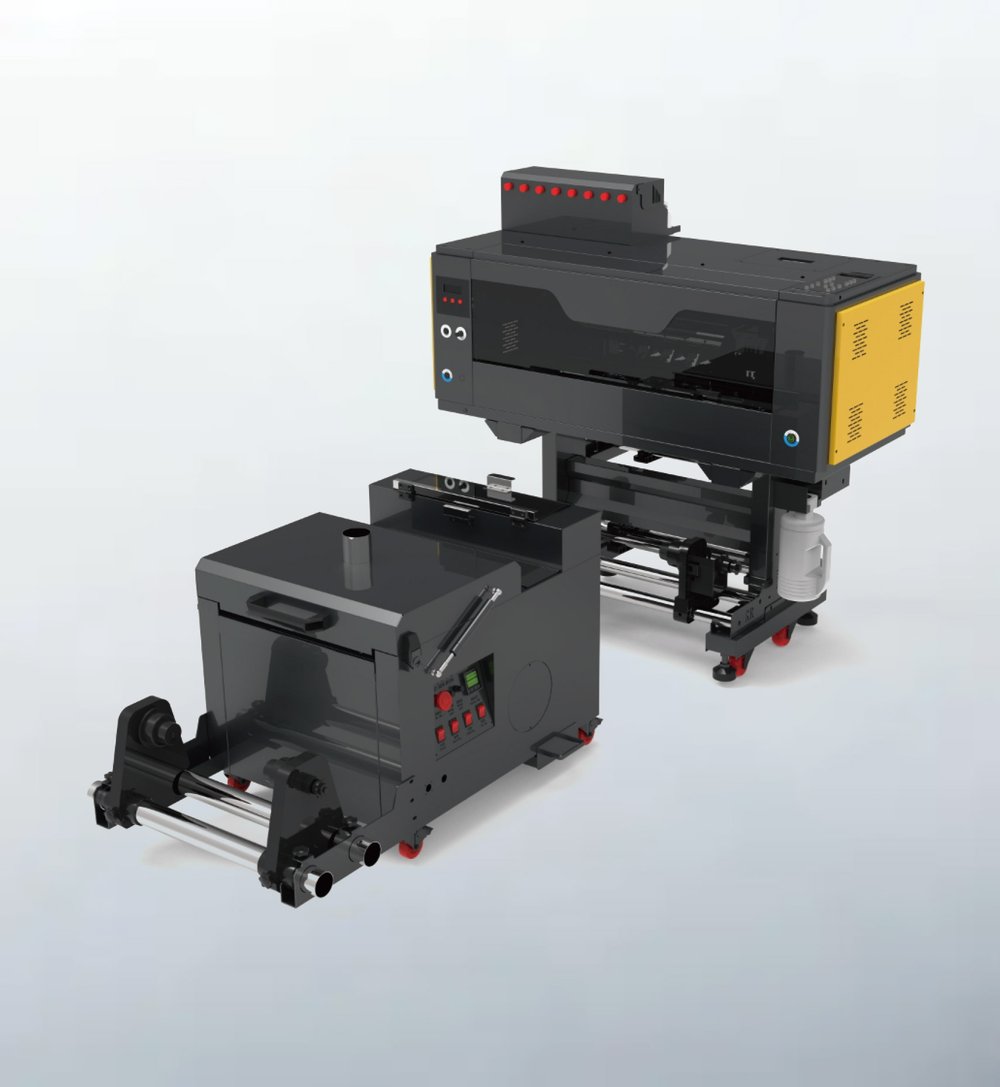
A compact A3 setup is a natural starting point when the main work is sampling, limited custom apparel, or online made-to-order pieces. HJD lists an A3 film printer with an A3 powder spreader using two Epson XP600 printheads, CMYK+W white ink, and a 33 cm print width. Those details matter because they describe a machine built for smaller graphics and controlled batches rather than a full industrial line.
When the shop needs a wider daily format, the two-printhead HJD-S01 moves into 65 cm production with Epson i3200-A1 printheads. The real output will depend on artwork size, pass mode, film handling, powder drying, transfer rhythm, and how quickly operators can prepare the next job.
Growing Production with Four to Six Printheads
A four-printhead DTF printer suits producers that already have steady apparel work and need more breathing room during busy production days. HJD pairs this class with an advanced powder shaker dryer, which is important because faster printing increases the demand for even powder coverage and complete drying. The printer still works around a 65 cm format, making it practical for many garment transfer layouts without immediately requiring wide-format floor planning.
The 5/6-printhead configuration becomes more useful when a shop needs stronger throughput and more flexible color output. HJD lists options for 65 cm or 120 cm width and 4-color, 8-color, or 12-color ink output. In real use, that gives production managers room to balance speed with artwork complexity, especially for brand apparel, group clothing, bags, shoes, and multi-style batches.
Wide-Format Output for Larger Production Lines
Wide-format systems are best considered when products regularly need larger designs or continuous output. HJD’s eight-printhead DTF configuration uses Epson I3200-A1 printheads and supports a 120 cm maximum print width. That width is useful for large garment graphics, shoe uppers, home textile pieces, and broader accessory layouts where narrow film would slow the workflow.
The 12-printhead class sits at the high end of the range, with a 1200 mm print width and a production role aimed at very large runs. At this level, the printer is only one part of the decision. Film loading, drying stability, transfer press capacity, inspection, and material staging all need to be planned together so the line does not gain speed in one place and lose it somewhere else.
Powder Shaker and Dryer Design Shape Final Quality
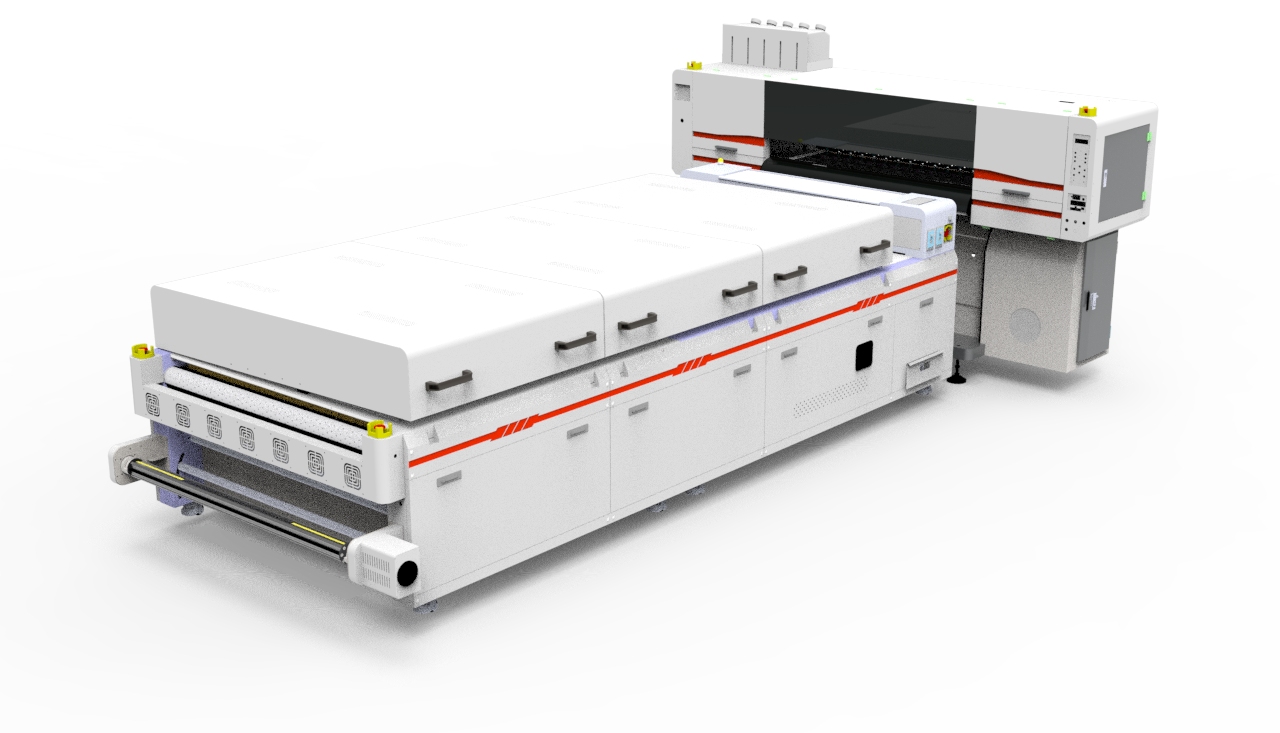
The powder shaker deserves close attention because it directly affects transfer feel and consistency. It spreads adhesive powder over the printed film, removes excess material, and sends the film through drying before transfer. If powder distribution or heating is uneven, the finished print may look less clean at the edges or feel less consistent across the surface.
HJD configurations range from A3 powder spreaders to advanced powder shakers and independent three-temperature-zone dryers. The three-zone approach separates preheating, drying, and color fixing, which is especially useful for wider film, large-area graphics, and thin materials that need steadier temperature control. For busy apparel lines, dryer width and stability can be just as important as printhead count.
Ink, Width, and Environment Should Work Together
A white ink DTF printer has to keep white ink moving smoothly because white ink is central to opacity on dark or colored garments. HJD configurations include white ink circulation and anti-clogging functions across several systems. These features are not decorative extras; they help protect nozzle condition and reduce interruptions when the machine is used for repeated daily work.
Print width should follow the most common product sizes. A3 equipment fits small graphics and samples, 65 cm machines cover many T-shirt and hoodie layouts, and 120 cm machines are better for wide transfers or larger textile applications. Choosing the correct width helps reduce film waste, operator handling, and unnecessary production steps.
Where HJD Fits in Apparel Production Planning
HJD DTF systems make sense for producers that want a path from small-batch customization to broader industrial output. A studio may start with A3 sampling, move into a 65 cm two-head or four-head system as daily orders grow, then consider 120 cm multi-head equipment when wide-format work becomes consistent. This staged way of thinking is more useful than choosing equipment only by the largest specification available.
Practical Checks Before Expanding Output
Before scaling DTF printing, review the work that repeats most often: garment type, artwork size, number of designs per batch, color complexity, and delivery rhythm. Then compare the printer with the powder shaker, dryer, heat press, workspace, and staffing pattern. A balanced production line usually performs better than a powerful printer surrounded by slower finishing steps.
Sample testing remains essential for new materials. Cotton, linen, polyester blends, leather, PU, shoe fabrics, and films can respond differently to powder, heat, stretch, and washing. Testing the actual surface before steady production helps protect print quality and keeps the chosen DTF printer aligned with real customer work.
Conclusion
A DTF printer creates the most value when it is selected as part of a complete apparel production workflow, not as an isolated machine. HJD gives producers options from compact A3 printing to 65 cm production and 120 cm wide-format systems, allowing shops to match equipment to order volume, transfer size, and finishing capacity.
Explore HJD industrial DTF printer configurations to build a printing workflow that can grow with your apparel production needs.
FAQ
Q: What DTF printer size is best for custom apparel?
A: A3 equipment is suitable for samples, small studios, and limited custom work. A 65 cm DTF printer fits many T-shirt and hoodie transfers, while a 120 cm system is better for wider graphics, shoe materials, bags, and home textile applications. The best size should follow repeat order patterns.
Q: Why is the powder shaker important in DTF printing?
A: The powder shaker controls adhesive powder coverage, removes excess powder, and supports drying before transfer. Stable powder handling helps the finished image feel cleaner and more consistent. For higher-volume work, dryer design and temperature control can influence production quality as much as printer speed.
Q: Should a shop always choose more printheads?
A: More printheads can support higher output, but only when the rest of the workflow can keep pace. Film handling, drying, transfer pressing, inspection, and staffing must match the printer. Smaller systems may be more efficient for frequent design changes and short runs.
Q: What applications can HJD DTF printer configurations support?
A: HJD DTF configurations are described for T-shirts, hoodies, denim, workwear, children’s wear, canvas bags, shoe materials, cushions, notebook covers, and other textile or accessory products. Supported material categories include cotton, linen, polyester, blends, leather, PU, and film, with sample testing recommended for new surfaces.