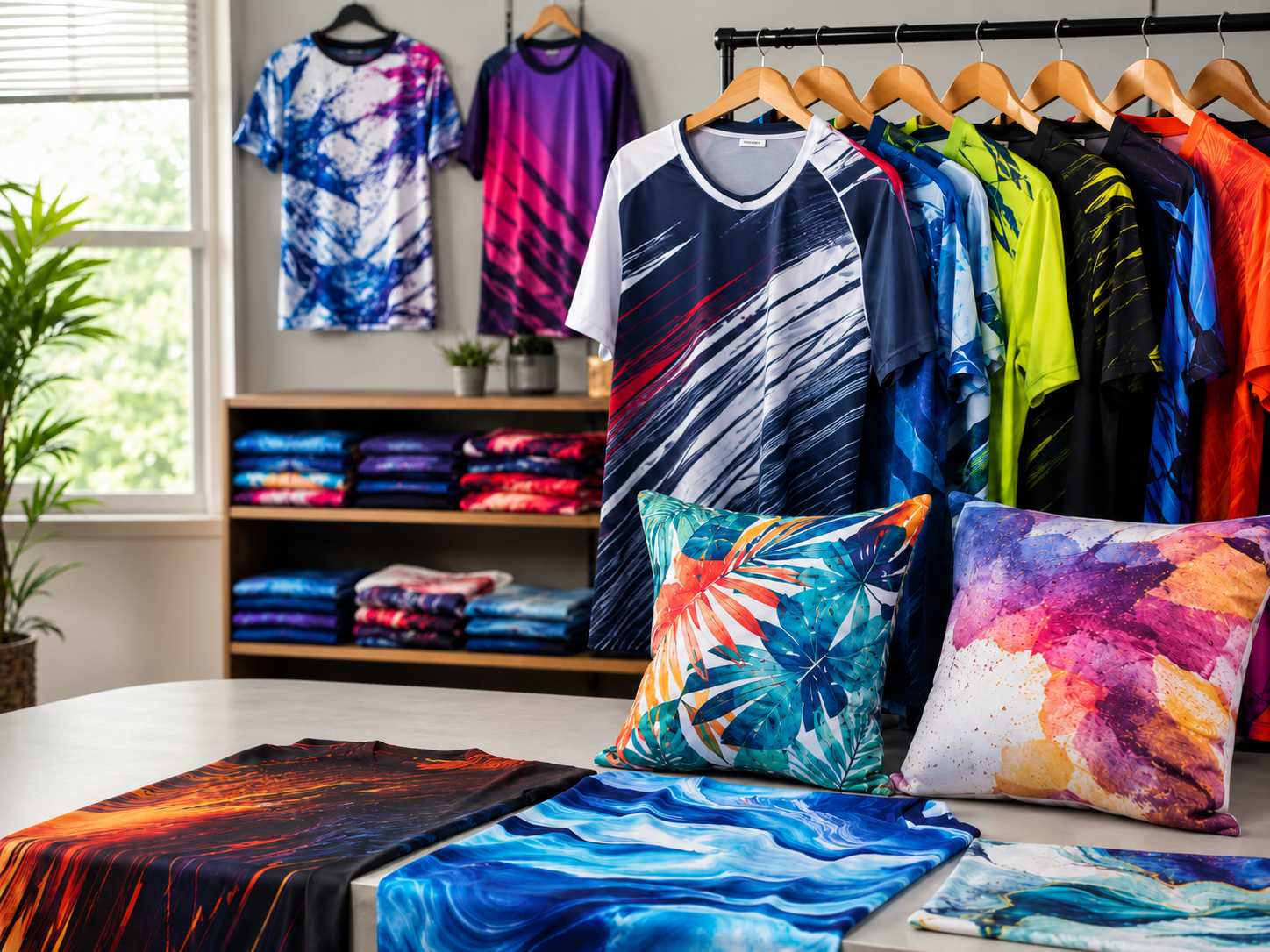

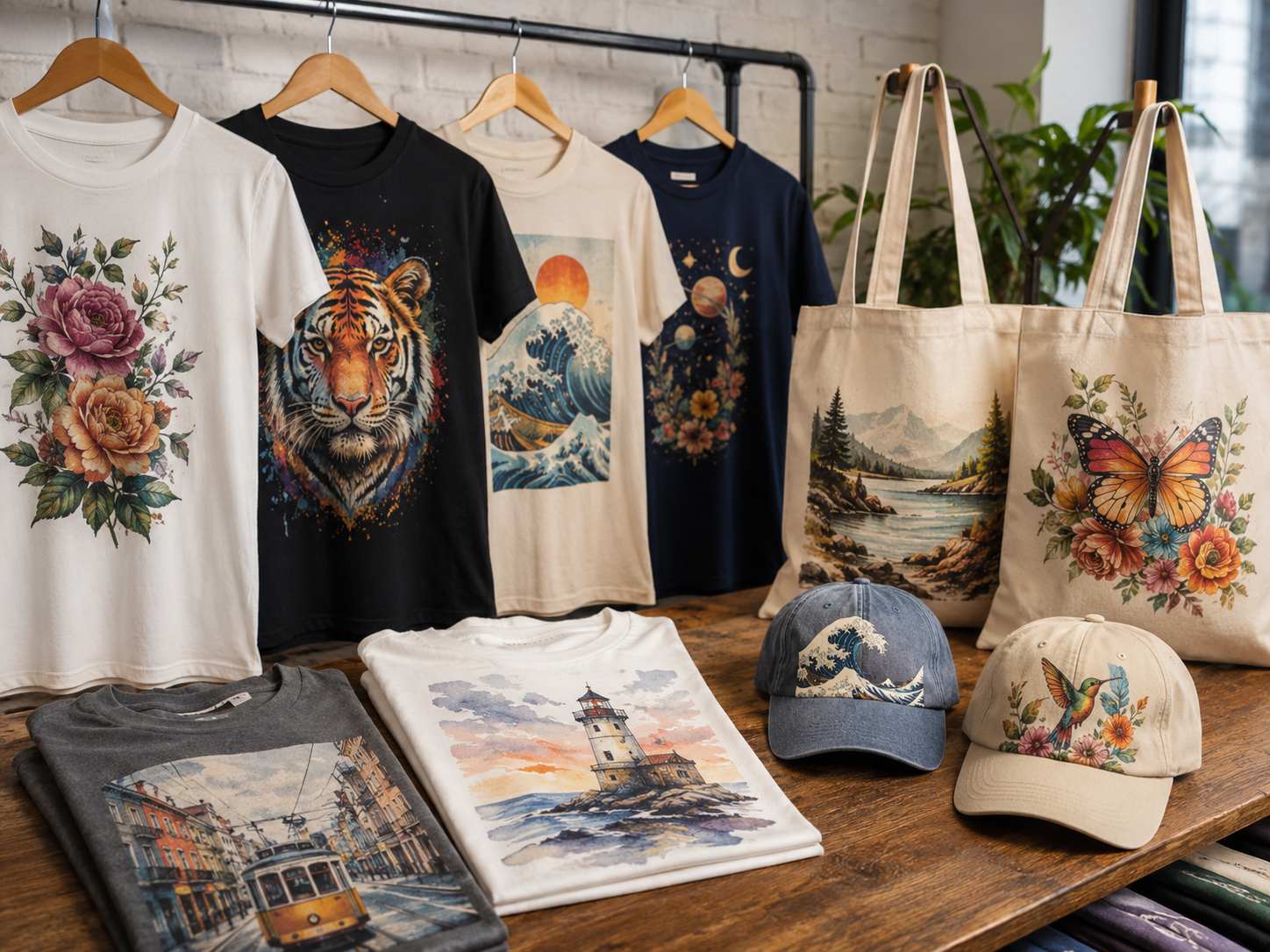
An automatic screen printing machine is usually the stronger choice for long runs of repeat apparel designs, while a DTG printer is better suited to detailed artwork, frequent design changes, and personalized orders. The right decision depends on order length, color complexity, fabric, available space, and the time a shop can devote to setup. For producers handling both stable bulk work and fast-changing designs, a hybrid workflow can combine the strengths of both methods.
How an Automatic Screen Printing Machine Works
Oval Stations Keep Garments Moving
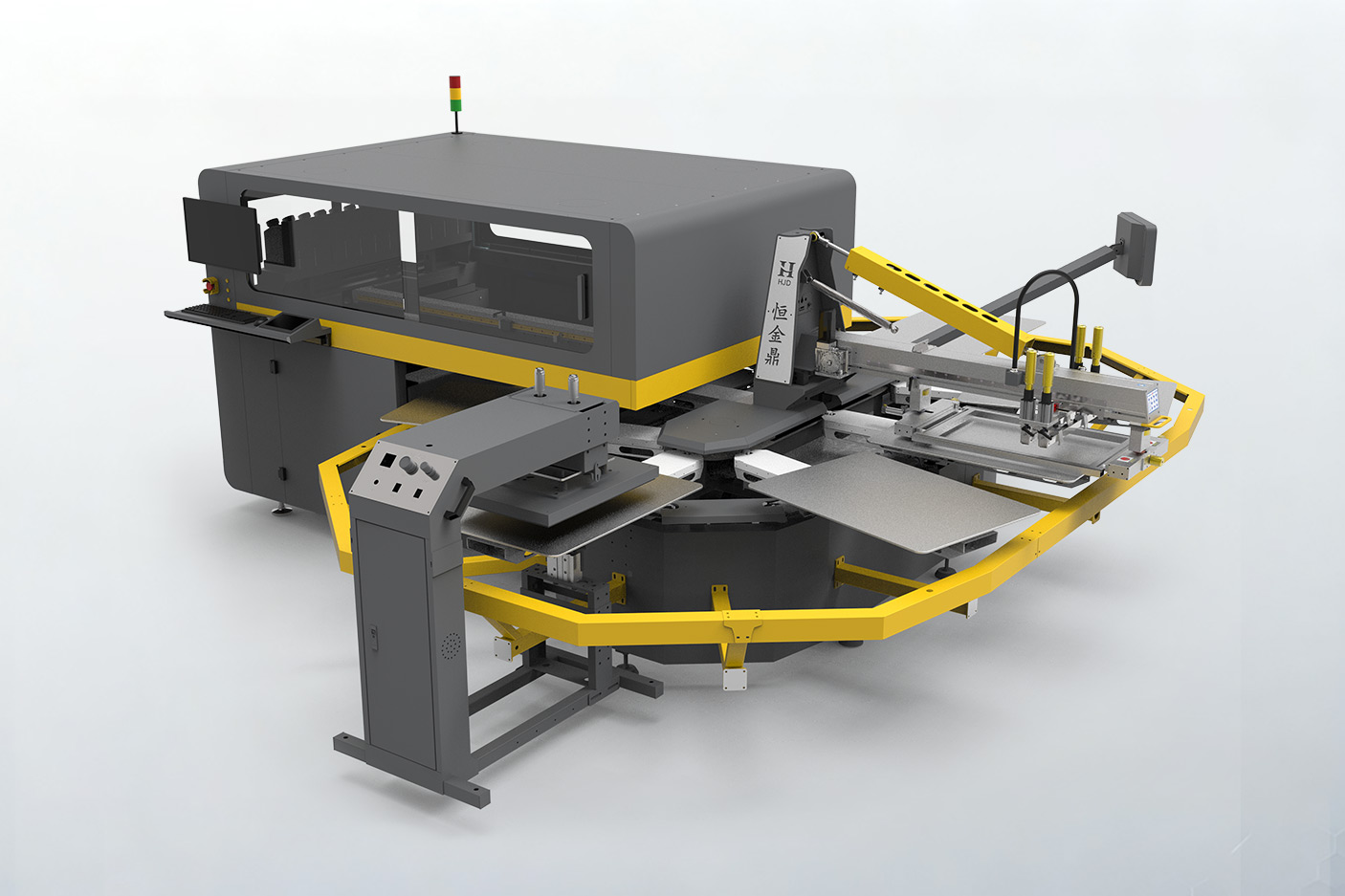
An oval screen printing machine carries garments around a closed track on individual platens. At each printing station, a screen and squeegee deposit one color or functional layer before the garment moves to the next position. Flash-drying stations can be placed between colors when an ink layer must be stabilized before overprinting.
This circulating layout makes the automatic screen printing machine effective when the same artwork must be reproduced across hundreds of garments. Once the screens, ink, pressure, and registration are set correctly, the mechanical cycle supports consistent placement without relying on a manual squeegee stroke for every item.
Why Repeated Designs Suit Screen Printing
Screen preparation creates an initial setup stage, so very short jobs may not use the press efficiently. That effort becomes more productive over a longer run because each additional garment uses the same prepared screens. Solid spot colors, opaque bases, and selected specialty ink effects are natural strengths of the process.
HJD offers oval equipment with 2 to 72 platens and optional platen formats. The maximum printing area is 88 × 115 cm, while a hybrid oval configuration can reach 500–700 pieces per hour. Actual output still depends on the number of colors, flash-curing requirements, loading pace, garment type, and selected machine configuration.
How DTG Printing Changes the Workflow
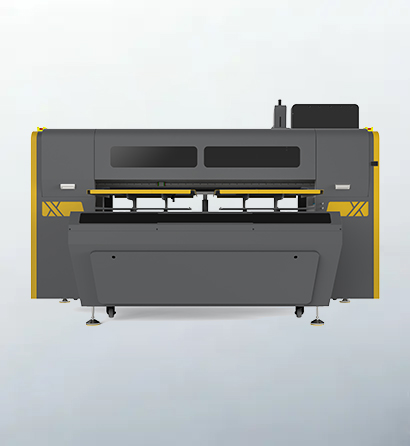
Direct Digital Output Reduces Changeover Work
A DTG printer jets textile ink directly from a digital file onto a garment held flat on a platen. There are no separate screens for each color, so an operator can move from one approved design to another through the print software. This makes digital garment printing practical for samples, personalized products, small collections, and online orders with many graphics.
White-ink DTG systems can create a base layer for dark garments before adding the color image. Ink preparation, garment flattening, printhead height, pretreatment requirements, and curing remain important; digital output is not a one-button substitute for process control.
Print Area, Resolution, and Fabric Range
HJD dual-station DTG configurations support Epson i3200-A1 or Brother KS1680H printheads, depending on the selected setup, and list resolution up to 720 × 2400 dpi. The standard print area is 350 × 450 mm, with 490 × 590 mm and 600 × 800 mm options. Printhead height can be adjusted from 3 to 30 mm, with a recommended jetting height of 3 or 4 mm.
The applications include 100% cotton, high-cotton fabrics, linen, denim, hoodie material, and finished garments. A working environment of 20–28°C and 45%–65% humidity supports stable ink behavior.
Automatic Screen Printing Machine vs DTG Printer
Production Volume and Job Length
Screen printing gains efficiency when a job repeats the same color separations across a substantial run. DTG avoids screen preparation and therefore responds faster when each garment carries different artwork. A shop should compare its typical order mix—not a machine’s headline speed—because setup, loading, curing, cleaning, and artwork approval all influence finished output.
Color, Detail, and Special Effects
An automatic silk screen printing machine is well suited to defined spot colors, strong opaque coverage, and ink effects created through a chosen mesh, stencil, and deposit. DTG is effective for gradients, photographic detail, fine color transitions, and artwork that would require many screens. The desired appearance should determine the process before production speed is considered.
Setup Time and Changeovers
Screen printing requires color separation, screen preparation, registration, and ink setup. Once prepared, the same job can run continuously. DTG shortens physical setup between digital designs, but operators must still prepare files, control white ink, position garments, perform nozzle checks, and cure the finished print correctly.
Labor and Workflow Control
Automation changes the operator’s role. On an oval press, staff load garments, monitor ink and screens, inspect registration, and unload printed items. On a DTG line, attention shifts toward file management, platen loading, printhead condition, ink circulation, and curing.
Fabric and Application Fit
DTG configuration and ink chemistry must match the garment, particularly when working with cotton content, dark fabric, seams, or raised areas. Screen printing provides broad process flexibility because ink, mesh, and curing can be selected for the intended textile and finish. Sample testing remains necessary for either method when a new garment construction enters production.
When a Hybrid Printing System Makes Sense
Combining Screen-Printed Bases with Digital Detail
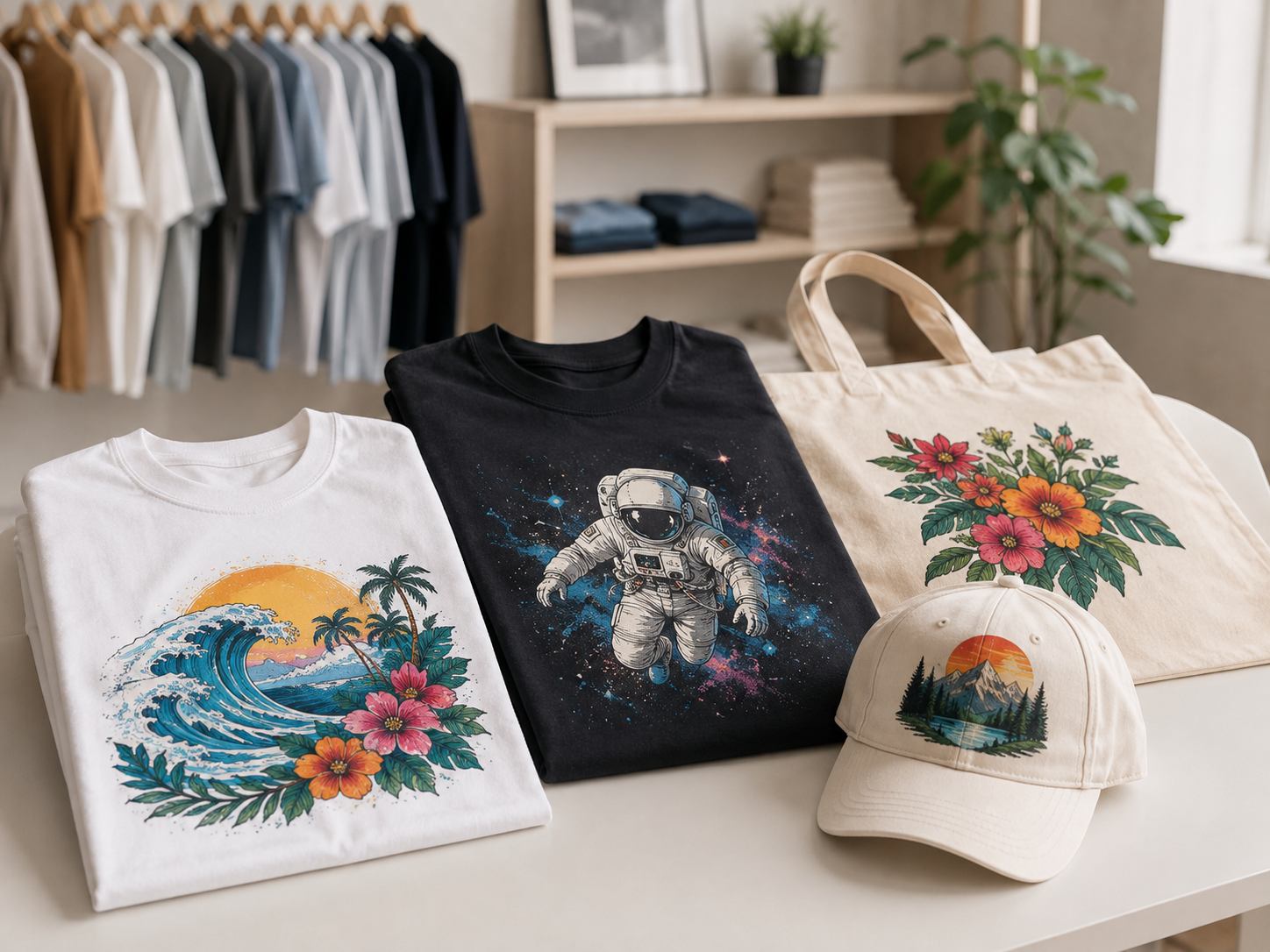
A hybrid line places screen and digital capabilities in one coordinated workflow. HJD’s oval screen printing and hybrid DTG solution can use a screen station for a broad base color or selected ink effect, then apply gradients, fine details, or multicolor artwork digitally. This arrangement reduces the need to force every design element through one process.
The documented system supports traditional plastisol-style applications, water-based printing, and digital white or color direct printing. It also integrates drying and circulating stations. Because hybrid output depends on accurate alignment between the analog and digital stages, platen stability, registration control, and file preparation deserve careful evaluation.
Suitable Production Scenarios
Hybrid production is relevant when a factory receives repeated bulk orders and artwork-rich variations. Team apparel, branded collections, event merchandise, and fashion drops may contain repeating base elements while graphics or color details change. Each process can handle the part it performs most efficiently.
How to Choose the Right HJD Solution
Start with the Order Mix
Record typical order size, number of designs per order, colors per design, fabric composition, print dimensions, and delivery pattern. Stable high-volume designs favor an automatic screen printing machine. Frequent artwork changes and smaller runs favor DTG, while a mixed order profile may justify a hybrid system.
Check the Production Environment
Equipment selection must account for floor space, electrical supply, compressed air, curing capacity, ventilation, and climate control. HJD’s oval screen section lists three-phase 380 V/50 Hz power and 0.6–0.8 MPa air pressure. Relevant DTG configurations list 220 V power and controlled temperature and humidity, so the installation plan should follow the exact selected configuration.
Compare Configurations, Not Labels Alone
The number of stations, platen size, printhead type, color channels, and drying arrangement can change what two similarly named machines accomplish. Review the HJD printing equipment range as a set of production configurations, then match the machine to validated samples and realistic daily jobs.
Conclusion
The best apparel printing technology is the one that fits the structure of the work. An automatic screen printing machine turns careful setup into repeatable long-run production, while DTG provides digital flexibility for detail and rapid design changes. HJD adds value by supporting screen, DTG, and hybrid options, allowing producers to build a workflow around actual garments and order patterns instead of a single printing method.
Explore HJD industrial printing solutions to identify a configuration suited to your apparel production workflow.
FAQ
Q: Is an automatic screen printing machine faster than a DTG printer?
A: It can be faster for long runs of the same design because prepared screens continue through a repeatable production cycle. DTG may be more efficient for short runs or many changing designs because it avoids physical screen preparation. Finished output depends on colors, curing, loading, artwork, and machine configuration, so a single speed figure cannot decide every job.
Q: Which method is better for detailed multicolor apparel designs?
A: DTG is generally better suited to photographic detail, gradients, and artwork with many color transitions because it prints from a digital file. Screen printing remains effective for defined spot colors, opaque layers, and selected specialty effects. When a design needs both a strong base and complex digital detail, a hybrid workflow can divide the work between the two processes.
Q: What fabrics can an HJD DTG printer handle?
A: HJD white-ink DTG configurations support 100% cotton, high-cotton fabrics, linen, denim, hoodie material, and finished garments. Compatibility still depends on the selected ink, pretreatment or process mode, garment surface, and curing conditions. A production sample should be tested before a new fabric or garment construction is scheduled for a full run.