In the competitive B2B landscape, brand owners often face big challenges in production when they adopt UV DTF technology. Many standard machines deal with uneven curing, repeated nozzle clogs from white ink settling, and weak adhesion on curved or irregular surfaces. These issues cause high waste and delayed orders, especially with small-batch custom work.
To fix these problems, HJD supplies reliable industrial options that focus on steady performance and accuracy. With almost 20 years of experience, HJD operates as a National High-Tech Enterprise and delivers full printing solutions. Because it makes its own core drive parts and control units, every HJD printer passes strict in-house checks that deliver solid industrial performance for brands worldwide.
Core Technology: Understanding UV DTF
What is a UV DTF printer?
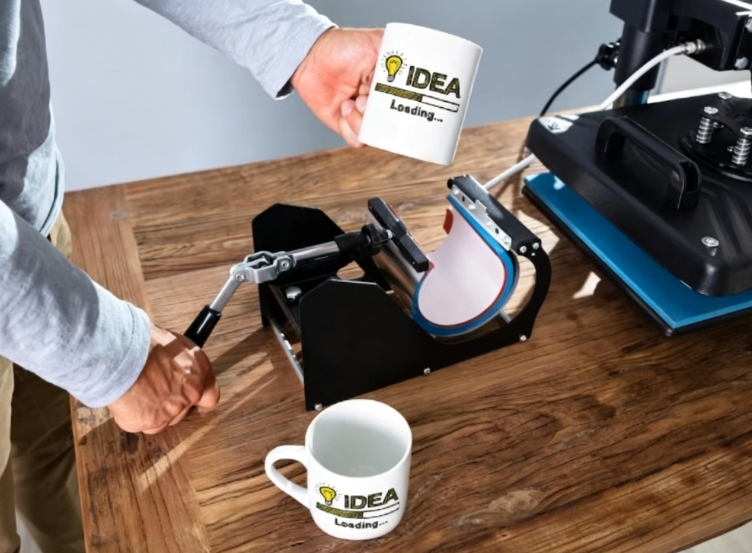
At its core, what is a UV DTF printer? It serves as a heavy-duty unit that makes top-grade transfer labels for hard or oddly shaped surfaces. Unlike older methods, it produces “crystal labels” that resist scratches and alcohol while staying clear and bright.
How does a UV DTF printer work?
When you look at the steps, how does a UV DTF printer work? The unit prints designs straight onto special Film A with UV inks that include CMYK, white, and varnish. It handles printing, coating, and curing in one run. After the film joins with Film B, users peel the finished label and apply it to metal, glass, plastic, or wood without a heat press.
UV DTF Vs DTF Printer: Selecting the Right Solution
Knowing the gap in UV DTF Vs DTF printer choices helps with planning output. A normal DTF printer works best on fabrics such as cotton and polyester with PET film and hot-melt powder. The UV DTF Vs DTF printer split shows that UV DTF targets rigid, non-fabric items instead. For brand teams, the HJD printer range covers both options, yet UV DTF gives extra freedom to decorate hard items that textile printers cannot handle.
Technical Highlights of High-Efficiency HJD UV DTF Systems
Industrial-Grade Components for Mass Production
The best UV DTF printer for mass production needs to run around the clock. HJD meets this need with Japanese Epson I3200-U1 industrial heads that use variable droplet sizes. These heads cut grain and keep colors rich. Paired with Leisai step motors and quiet rails, the HJD printer runs smoothly and reproduces fine details at high speed.
Advanced Anti-Clogging and 3D Relief Effects
One strong point of the best UV DTF printer for mass production is the built-in white ink circulation and stir system. This stops ink from settling, so the machine stays ready without long waits. In addition, HJD units can lay down thick relief layers of 2 mm or more. The result gives a realistic 3D look and sharp embroidery-style textures that raise the perceived value of branded goods.
Key Differences: Conventional UV vs. UV DTF
What are the differences between UV DTF and conventional UV printers?
For buyers, grasping the difference between UV DTF and conventional UV printers matters for return on investment. Standard UV flatbed machines need the item on the print bed, which limits shape and size options. By contrast, the UV DTF method prints labels in volume first, then applies them later to curved, large, or fixed objects where a flatbed cannot reach. This added reach makes the HJD printer a practical fit for varied product ranges.
Strategic Applications and Case Studies
Cultural Creative and Hardware Customization
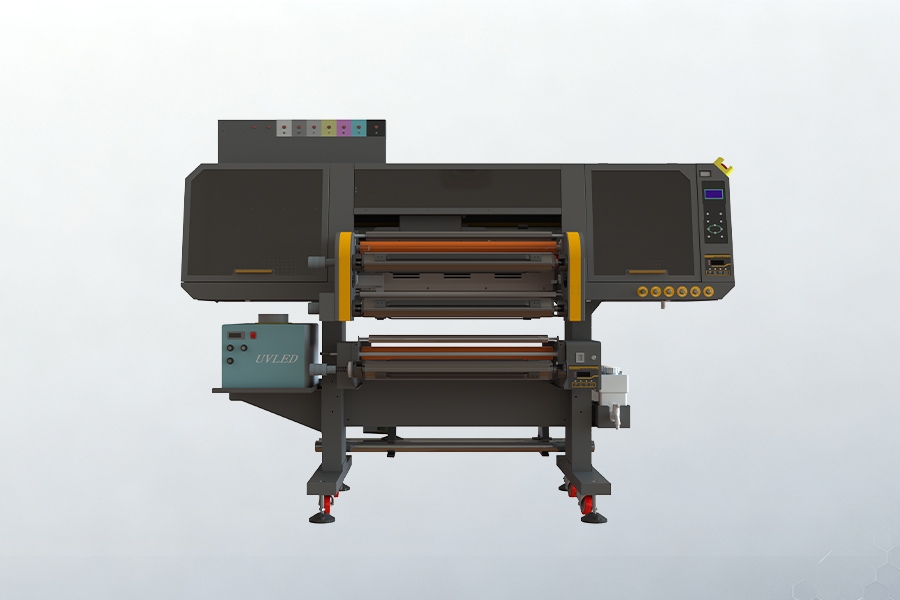
The HJD printer series sees wide use in gifts and electronics. One creative studio, for example, ran the HJD 6090UV all-in-one unit to make custom crystal labels for glassware and metal signs. With white, color, and varnish printed together, they got a clear “no-label” finish that beat silk screen results in both detail and wear resistance.
Industrial Hardware Branding
In a factory setting, one hardware maker switched to our best UV DTF printer for mass production to update labels on curved power tool bodies. The lifting ink stack and strong air-cooled UV lamps supported steady runs at speeds up to 7㎡/h. This cut labor costs while the labels stayed tough under rough use.
How to Choose a UV DTF Printer Supplier
Picking the right partner ranks as high as the technology itself. When checking how to choose a UV DTF printer supplier, buyers should weigh three main factors. First comes R&D strength. HJD is guided by three PhDs and more than 30 skilled engineers, which supports ongoing upgrades. Second is vertical quality control. The company builds key parts in-house, which lowers cost while holding tight standards. Third is after-sales care. The support team answers within one hour and offers 24-hour help, so lines keep moving.
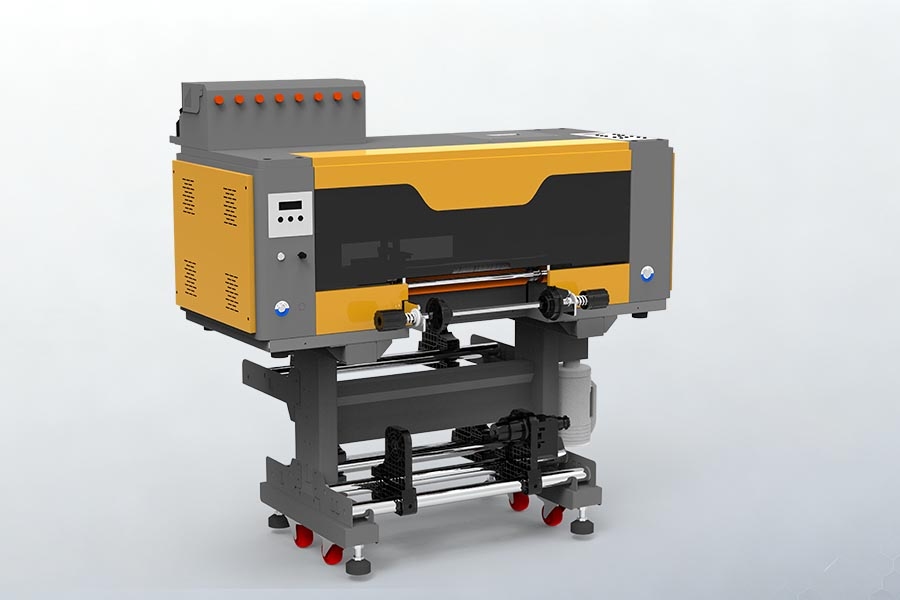
As a major industrial maker, HJD offers a full lineup that runs from A3 desktop models for samples to large 12-head systems for big operations.
Ready to maximize your production output? Contact HJD today to receive a customized UV DTF equipment configuration and a factory production plan.
FAQ
Q: What is a UV DTF printer?
A: It is an industrial machine that prints UV-curable ink onto a film to create high-quality crystal labels for hard surfaces.
Q: How does a UV DTF printer work?
A: It prints CMYK+W+Varnish on Film A, laminates it with Film B, and allows for direct transfer to products without heat.
Q: What are the differences between UVDTF and conventional UV printers?
A: Conventional UV prints directly on objects, while UV DTF prints on film for transfer to irregular or oversized objects.
Q: Why is HJD the best UV DTF printer for mass production?
A: We use Epson I3200-U1 heads, automatic white ink circulation, and integrated film coating for high-speed, stable output.
Q: How to choose a UV DTF printer supplier for my factory?
A: Look for companies like HJD with independent R&D, vertical quality control of components, and 24-hour technical support.