

Reliability in the high-end labeling industry is measured by the consistency of visual output and the durability of the final product. For businesses utilizing UV DTF printing technology, the difference between a premium crystal label and a failed transfer often lies in the rigor of equipment upkeep. High-precision machinery, such as that engineered by HJD, demands a proactive maintenance philosophy to ensure that 3D relief effects remain vivid and adhesion remains unyielding. Implementing a structured maintenance schedule prevents common pitfalls like nozzle dropouts, color shifts, and mechanical wear, thereby maximizing the return on investment for any professional UV DTF printer setup.
Daily Essentials: Protecting the Heart of Your UV DTF Printer
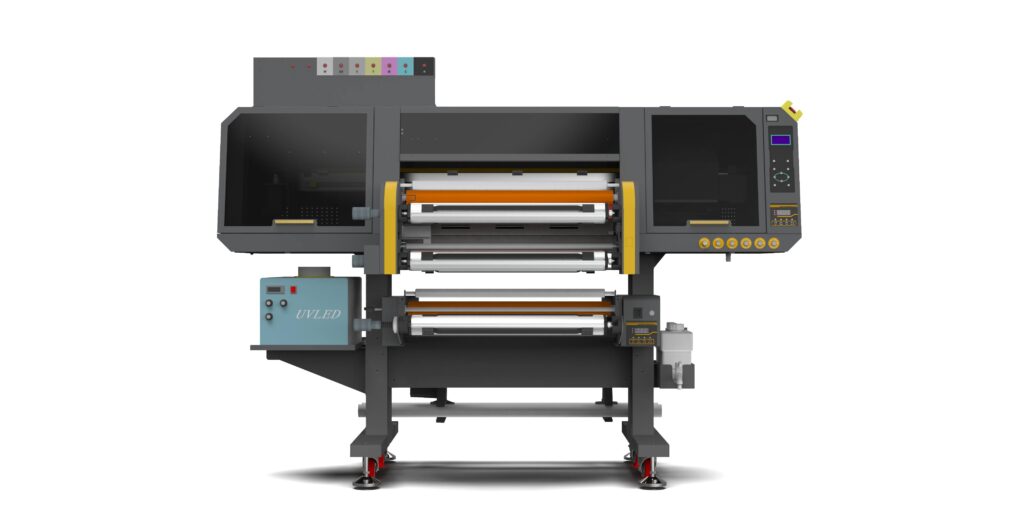
The foundation of operational stability begins with the printhead and the immediate printing environment. Daily habits ensure that the microscopic nozzles used in UV DTF printing do not succumb to ink drying or dust accumulation.
Nozzle Checks and Automatic Cleaning Routines
Successful production shifts must commence with a standard nozzle test. This procedure identifies any missing dots or potential color deviations before they ruin a batch of materials.
- Perform a nozzle check every morning to verify the integrity of the CMYK, White, and Varnish channels.
- Utilize the automatic cleaning function during leisure time or idle periods to keep the nozzle plate moist and clear.
- Clean the printhead surface only with specialized cleaning solutions to prevent chemical reactions that could damage the delicate nozzle structure.
Surface Cleaning of Guide Rails and Platforms
Mechanical precision is heavily influenced by the cleanliness of moving parts. Dust and ink mist can settle on sensitive components, leading to friction and inaccuracies.
- Wipe down the high-precision linear guides and the printing platform daily to remove lint and residue.
- Inspect the suction platform for any adhesive buildup that could interfere with the flatness of the media.
- Ensure that the area surrounding the UV-LED lamps is free of obstructions to maintain consistent curing energy.
Advanced Ink Management for Your UV DTF Sticker Printer
Ink chemistry in a UV DTF sticker printer is complex, particularly concerning white ink, which contains heavier titanium dioxide particles prone to sedimentation.
Mastering White Ink Stirring and Circulation Systems
Sedimentation is the primary cause of printhead clogging in UV systems. Advanced HJD equipment integrates specialized systems to mitigate this risk.
- Activate the white ink stirring and circulation function immediately upon powering the machine to ensure uniform density.
- Monitor the circulation pump for consistent operation, especially during high-volume production of 3D relief patterns.
- Respond promptly to ink shortage alarms, as running the ink path dry can introduce air bubbles that are difficult to purge.
The Critical Role of Integrated Lifting Ink Stacks
The maintenance-free integrated lifting ink stack is a hallmark of HJD engineering, designed to provide superior moisturizing and protection.
- Check the alignment of the ink stack during the capping process to ensure a perfect airtight seal.
- Keep the scraping blade clean of excess ink buildup to prevent it from dragging dried particles across the nozzle surface.
- Replace the ink stack components according to the manufacturer’s schedule to maintain optimal moisturizing efficiency.
Hardware Stability: Maintaining Mechanical Components for UV DTF Printing
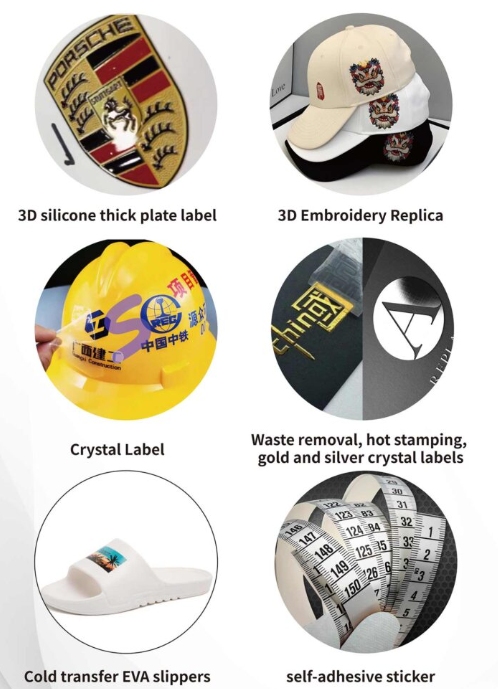
The mechanical integrity of a UV DTF printer directly dictates the registration accuracy and the quality of fine details.
Lubrication of Linear Guides and Stepper Motors
Smooth movement is essential for the high-resolution output required by the electronics and hardware industries.
- Apply designated lubricants to the X-axis and Y-axis guides weekly to reduce friction and noise.
- Inspect the Leisai stepper motors and belts for proper tension; loose belts can cause ghosting or misalignment in the final print.
- Clean the encoder strip with a lint-free cloth and isopropyl alcohol to ensure the optical sensor accurately tracks the carriage position.
Adjusting the Integrated Film-Laminating Structure
The integrated printing and film-coating process in HJD machines requires precise tension control to avoid media deformation.
- Check the adjustable film laminating roller for consistent pressure across the entire width of the media.
- Calibrate the film tension via the software to adapt to different material thicknesses, ensuring a flat transfer surface.
- Verify that the rubber rollers are clean and free of adhesive residue, which can cause slipping or wrinkling during the laminating stage.
Optimizing the Curing Environment for a UV DTF Sticker Printer
Curing is the final critical step that defines the chemical resistance and adhesion of the UV DTF printing results.
Monitoring UV-LED Curing Lamp Efficiency
Effective curing depends on the intensity and wavelength of the UV light source.
- Inspect the water-cooling system or air-cooling vents daily to prevent the UV-LED lamps from overheating.
- Verify that the lamps are firing at the correct intensity to achieve full polymerization of the ink and varnish layers.
- Clean the protective glass of the UV lamps to prevent dust from shielding the light energy, which can result in under-cured prints.
Maintaining Temperature and Humidity Standards
The viscosity of UV ink is highly sensitive to the surrounding atmosphere, affecting jetting consistency.
- Maintain the working environment between 20-28℃ to ensure optimal ink flow through the printhead.
- Keep the humidity levels between 45%-65% to prevent static electricity and ensure stable material feeding.
- Store consumables in a dry, ventilated area away from direct sunlight to prevent premature curing or adhesive degradation.
Professional Troubleshooting Tips for Long-Term Stability
Advanced preventative measures safeguard the equipment during high-load production and extended downtime.
Ink Shortage Alarms and Real-Time Monitoring
Automated sensors reduce the risk of human error during long print runs.
- Test the integrated ink shortage alarm sensors monthly to ensure they provide accurate real-time notifications.
- Check the ink filters and pipelines for any signs of sediment or air bubbles that could interrupt the siphon pressure.
- Verify the functionality of travel limit protection and anti-collision sensors to prevent mechanical damage to the carriage.
Seasonal Care and Long-Term Storage
During holidays or periods of inactivity, the UV DTF printer requires special attention to avoid permanent nozzle damage.
- Drain residual ink and clean the ink path completely if the machine will be stored for more than a week.
- Utilize a dedicated moisturizing cap and high-quality moisturizing liquid to keep the nozzle plate from drying out.
- Store the equipment in a controlled environment, avoiding extreme temperatures and corrosive gases.
Conclusion
Adopting rigorous maintenance habits is the hallmark of a professional UV DTF printing operation. By prioritizing daily nozzle care, advanced ink management, and mechanical lubrication, users of HJD equipment can achieve the “Outstanding Results” promised by the technology. Consistent upkeep not only preserves the sharp color reproduction and vivid 3D relief effects but also extends the operational life of the machinery in demanding industrial environments. For those committed to excellence, these habits are not optional; they are the foundation of business success.
Contact us to learn more about HJD industrial printing solutions.
FAQ
Q: Why is white ink circulation vital for an HJD UV DTF printer?
A: White ink circulation is essential for any UV DTF printer because white UV ink contains heavy pigments like titanium dioxide that settle quickly when stationary. HJD equipment utilizes a white ink stirring and circulation system to keep these particles in motion, preventing sediment from causing expensive printhead clogs and ensuring consistent color density throughout the UV DTF printing process.
Q: How often should UV DTF printing nozzles be cleaned?
A: For professional UV DTF printing, a daily nozzle check and cleaning routine is mandatory. Technicians should perform a nozzle test at the start of every shift and use the automatic cleaning function during idle periods. HJD machines also feature an integrated lifting ink stack that provides continuous moisturizing to the nozzle surface, significantly reducing the frequency of manual deep cleaning.
Q: What role does varnish play in UV DTF sticker printer output?
A: In a high-quality UV DTF sticker printer, varnish adds a protective top layer that enhances scratch and alcohol resistance. Beyond durability, the varnish layer is crucial for creating the glossy finish and 3D relief effects that distinguish HJD’s crystal labels from standard stickers, providing professional visual depth.
Q: Can environmental humidity affect UV DTF printer stability?
A: Yes, humidity is a critical factor for the stability of any UV DTF printer. If humidity is too low, static electricity can build up, causing ink misting and material feeding issues; if it is too high, it may affect the curing process. Maintaining a humidity level of 45%-65% is recommended for HJD equipment to ensure stable UV DTF printing performance and long-term hardware health.