
In the fast-changing world of textile manufacturing, brand owners and factory managers often face a big challenge: how to pick between a DTF vs DTG printer to boost ROI while keeping top quality. Many production lines run into frequent issues, such as nozzle clogs that happen often, high costs for making screens on small runs, and fabrics that do not work well together. These problems lead to late deliveries and more wasted materials. They usually come from entry-level machines that lack steady industrial performance.
To fix these common headaches across the industry, HJD provides a range of strong printing options. With close to 20 years of work in industrial printing development, HJD stands as a National High-Tech Enterprise that keeps tight control over quality from start to finish. Because it builds key parts on its own, the HJD printer series gives the speed and steady results that modern e-commerce needs for small-batch and varied orders.
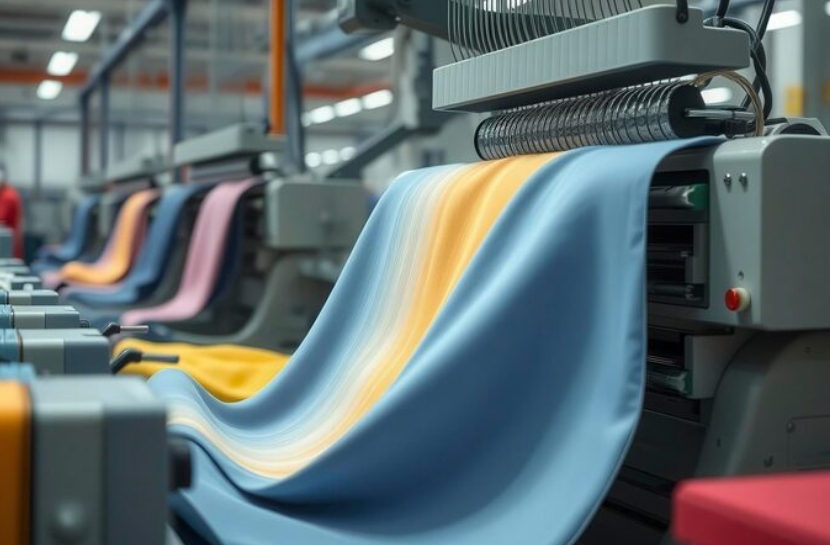
Understanding the Landscape: DTF Vs DTG Printer
When choosing machines, the first step is to grasp the basic setup: What are the differences between DTF Vs DTG printers for apparel printing?
Direct-to-Garment (DTG) technology puts ink straight onto the fabric. It works well for 100% cotton or blends with lots of cotton, and it gives a soft feel that lets air through. It often needs extra steps to prepare dark fabrics. On the other side, Digital Transfer Film (DTF) technology prints onto a special PET film first, then uses heat to move the design onto the garment. The DTF printer for t-shirts has become very popular because it skips fabric prep work and handles many materials, from polyester and nylon to denim and even leather.
The Advantages of the HJD DTF Printer Series
For brand owners who want to grow, the HJD printer line delivers focused DTF options that stress both sharp detail and fast output. What are the advantages of the DTF printer when it comes from an industrial specialist like HJD?
Extreme Production Efficiency
Speed stands out in HJD’s top models. The 12-head DTF printer for t-shirts serves as the main system for very large runs. It uses 12 Epson i3200-A1 industrial printheads. This setup reaches 100㎡/h in 4-color mode, which equals the output of four standard 4-head machines. Factories can therefore manage big orders and rush jobs while using less floor space.
Intelligent Maintenance and Stability
Many DTF Vs DTG printer setups suffer from white ink settling, which blocks nozzles. HJD fixes this through a separate shaking and circulation system on the white ink pot. The ink stays mixed and avoids clogs. The machines also include a maintenance-free lifting ink stack that cleans and moistens automatically, so printheads last longer.
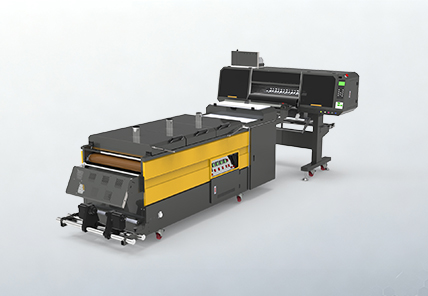
Revolutionizing Apparel with Hybrid DTG Solutions
For brands that want both the rich feel of older methods and the accuracy of digital work, HJD supplies the high-quality hybrid DTG printer for custom apparel.
One-Stop Integrated Workflow
What makes a hybrid DTG printer ideal for custom apparel? It blends the high-volume strength of traditional oval screen printing with the flexible, plateless nature of digital direct printing. The result is a “screen base plus digital color” process that reaches 500–700 pieces per hour. It removes the limit where old methods cannot handle complex gradients or many different orders, yet it keeps output steady at an industrial level.
Precision and Versatility
The high-quality hybrid DTG printer for custom apparel from HJD relies on Fujifilm servo motors and THK linear guides. These parts hold platform error to ≤0.2mm, so the screen bases exactly with the digital pattern. The machine handles chest pockets, trouser edges, and curved surfaces through accurate positioning and adjustable nozzles. It creates even, sharp results that flatbed machines often miss.
Practical Applications and Solutions
The real strength of an HJD printer shows when it fits into global supply chains.
Case Study: E-commerce Fast-Response Fulfillment.
An apparel brand saw a 300% rise in SKU variety and struggled with screen-making costs on small runs. After switching to the HJD 4-head DTF printer for t-shirts, the team moved to a zero-inventory approach. The combined printing, powdering, and drying steps produced garments that resist washing and cracking. Production time dropped from seven days to 24 hours.
Case Study: Premium Fashion Brand Scaling
A high-end fashion label needed thick metallic effects from screen printing, together with clear digital gradients. After installing the high-quality hybrid DTG printer for custom apparel, the brand achieved same-day sampling and full production. The machine can layer 8-color digital printing over an offset base, giving rich colors and fine details that meet strict European and North American standards.
Why Choose HJD as Your Printing Partner?
Choosing an HJD printer means working with a maker that puts quality first, offers fair prices, and backs products with solid service. The company builds its own core drive systems and controls, which lowers costs for buyers while keeping quality high. The after-sales group answers within one hour and gives round-the-clock help, so lines keep running without stops.
Whether you are comparing a DTF Vs DTG printer or need a high-quality hybrid DTG printer for custom apparel, HJD supplies the industrial tools and full support to help your business grow in the digital era.
Ready to raise your output speed? Contact HJD today for a tailored factory plan and technical review.
FAQ
Q: What are the differences between DTF and DTG printers for apparel printing?
A: DTG prints directly onto high-cotton fabrics for a soft feel, while DTF prints onto a PET film first, offering superior versatility across cotton, polyester, and nylon without pre-treatment.
Q: What are the advantages of the DTF printer for industrial production?
A: It requires no plate-making, supports instant pattern switching, and works on almost all fabric types. HJD models add high-speed output (up to 100㎡/h) and anti-clogging white ink systems.
Q: What makes a hybrid DTG printer ideal for custom apparel?
A: It combines the low-cost solid color base of screen printing with the high-definition detail of digital printing, enabling efficient production of complex, high-quality designs.
Q: How does HJD ensure the stability of its printers?
A: We use industrial-grade components like Japanese THK guides and Epson/Ricoh printheads, combined with an independently developed white ink circulation and lifting moisturizing ink stack.
Q: Is the HJD printer suitable for e-commerce fast-response orders?
A: Yes. Both our DTF and Hybrid DTG systems are designed to eliminate complex setup procedures, allowing for same-day sampling and rapid delivery of small-to-medium batch orders.