
h2
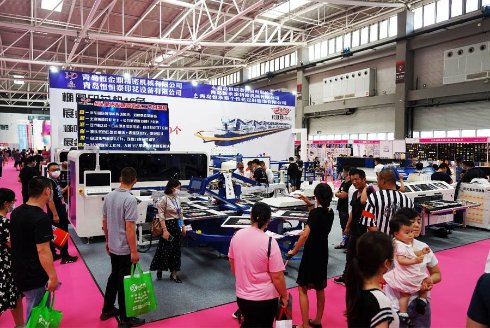
Digital garment machines combine digital technology with traditional fashion production, enhancing efficiency and creativity for brands in both clothing production and consumption. Let’s take a closer look at the applications of digital garment machines.
Digital garment machines can create unique patterns and designs using design software, breaking through traditional limitations. Designers can design innovative clothing styles on their computers and transfer them to garment production machines. This results in garments that are more trendy and innovative.
Digital garment machines automate the entire garment production process. Digital processes eliminate manual intervention in many steps, significantly shortening production cycles and improving efficiency. The traditional manual production methods of the fashion industry cannot compete with digital production machines.
Clothing produced by digital machines can adapt to individual body shapes, providing a more personalized experience. Customers can choose the style, color, and size, and can even add their own name or logo to the garment, creating a custom garment. This type of clothing also meets the personalized needs of modern consumers.
Leather is a very ancient craft that requires repeated polishing and varnishing to achieve its texture. However, with digital garment knitting machines, this traditional craft can be streamlined into a digital production process, ensuring the accuracy of the resulting leather products.
Digital garment knitting machines not only improve productivity but also enhance economic efficiency. They can accommodate a variety of production methods, from small batches to large batches, to meet market demand. Furthermore, their production speed and precision are higher than traditional methods, enabling garment factories to more quickly meet customer needs.
In short, the widespread use of digital garment knitting machines can create greater creativity and practical value in the fashion industry, enhance its competitiveness, and change the direction of its development.
Digital garment knitting machines utilize digital production methods, enabling rapid production of large quantities of garments in a short period of time, significantly shortening production cycles and improving production efficiency.
Traditional manual production processes are subject to certain errors, but digital garment knitting machines can achieve precise cutting and splicing within a range of 0.1 mm, improving product quality and overall shape utilization.
Customer needs are diverse, and the customization capabilities of digital garment knitting machines can meet diverse needs and achieve personalized customization. From fabric color and material to garment size and fit, customer requirements are better met.
Digital garment knitting machines are highly intelligent and easy to operate, enabling unmanned production. This significantly reduces workload, saving time and labor costs.
The production process of digital garment knitting machines does not require extensive water cleaning or wastewater treatment, reducing environmental pollution. Furthermore, digital garment knitting machines utilize computer control, reducing labor and achieving energy savings.
As an emerging technology, digital garment knitting machines are constantly innovating and upgrading. Through continuous technological advancements, digital garment knitting machines are continuously improving production quality, efficiency, and costs, achieving industrial upgrading and innovation.