
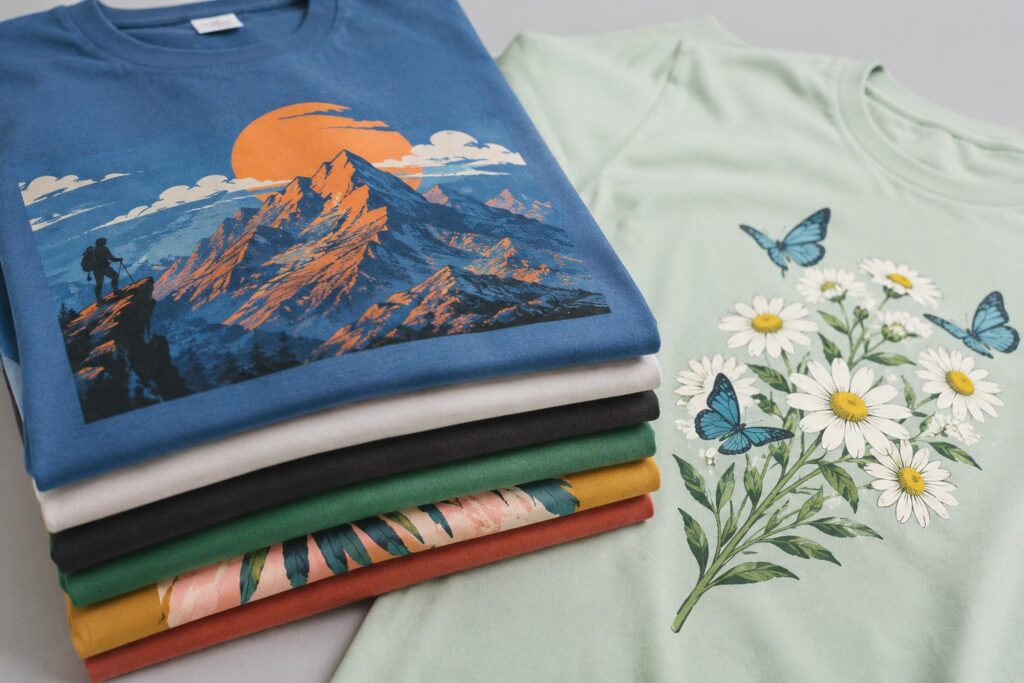
The textile industry worldwide has seen major changes by 2026. Fast-fashion brands and online sellers now need faster turnaround times and stable quality. Old ways that rely on many workers no longer match these needs. In the middle of this change stands the auto silk screen printing machine. It gives factories both speed and steady results. For garment plants that want better returns on investment, moving to automated equipment has become a basic step rather than an extra choice. This move is supported by companies such as HJD, an oval automatic screen printing machine manufacturer that has built its know-how over nearly twenty years.
Why is Traditional Manual Printing Losing Its Edge?
What are the pain points of manual labor?
Manual printing still uses many hands. This raises labor costs. Output can vary from one shift to the next. Color placement may shift slightly between pieces. Large orders then face higher rejection rates. Skilled workers are also harder to find and more expensive to keep. These issues make it difficult for factories to grow while staying competitive.
Why is the market moving toward “Digital-led, Traditional-supplemented” models?
Digital printers now hold more than sixty percent of the market. This has created a pattern where digital methods lead, and older machines fill in when needed. Rotary presses see less demand. At the same time, mixing digital heads with screen stations lets factories run without large stockpiles. Brands can follow trends without paying for many new screens.
How an Oval Automatic Screen Printing Machine Maximizes Your Workshop Productivity?
Why choose the “Oval” structure over traditional types?
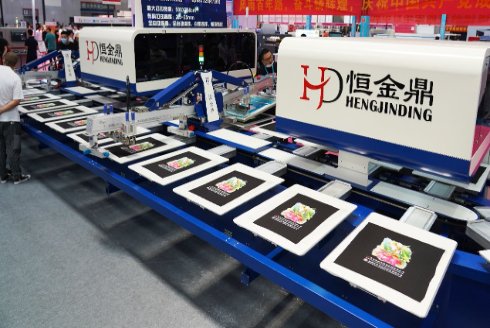
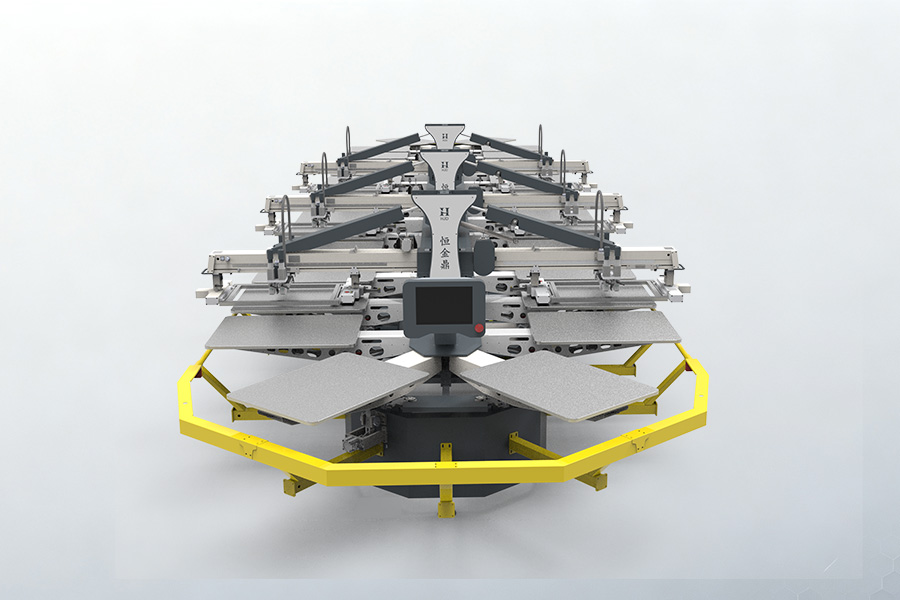
An oval layout uses floor space more efficiently than round or straight-line machines. Stations sit along an oval track. This lets factories fit more print heads in a smaller area. HJD builds the oval automatic screen printing machine with two to seventy-two platens. A shop can start with simple one-color work and later add stations for full-color designs. The same framework works for both small runs and long orders.
How many pieces can you print per hour?
Standard models from a capable oval automatic screen printing machine manufacturer reach five hundred to seven hundred garments each hour. Some hybrid lines that pair Starlight 1024 heads with Ricoh G5 units finish an A3 print in about twenty-two seconds. These numbers help factories meet tight delivery dates for both big brand orders and sudden online sales spikes.
What is the “Hybrid” advantage?
A hybrid line joins screen stations with digital printheads on one oval table. Screen stations lay down large base colors or special effects such as discharge prints. Digital heads then add fine gradients or small details. HJD first showed this setup at the 2021 Qingdao International Textile Printing Exhibition. Visitors saw how the rotary table moved garments smoothly between the two stations without extra handling.
What Technical Features Define a High-Efficiency Auto Silk Screen Printing Machine?
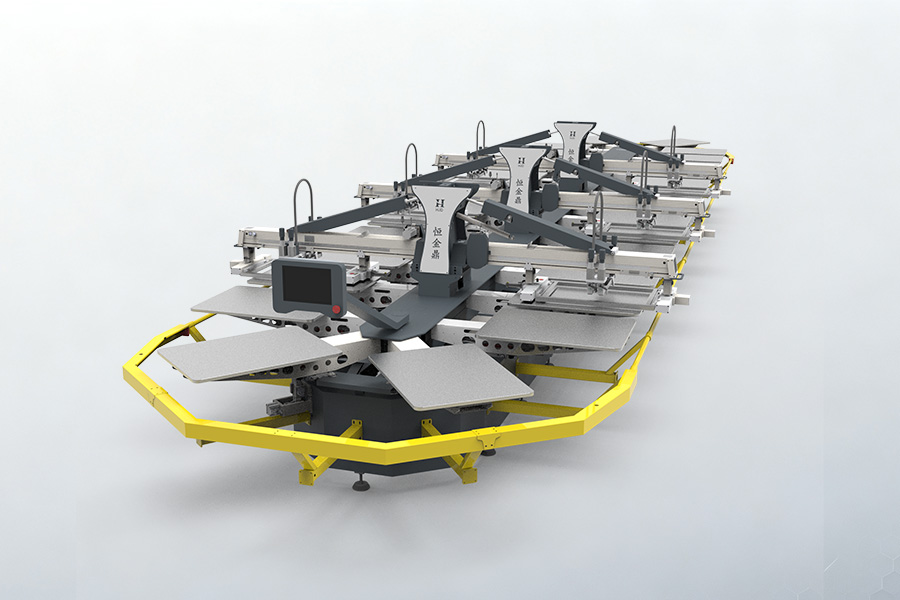
Accuracy matters most in repeat work. HJD uses magnetic-levitation motors on the X-axis and Fuji or Panasonic servo drives. The maximum error on the print table stays at or below 0.2 mm. This level of control keeps colors lined up across thousands of pieces. Less waste means lower material costs and fewer returns from customers.
What makes the ink supply system “intelligent”?
Ink moves through a siphon system that creates both positive and negative pressure. White ink circulates automatically, so it does not settle. The software also creates white-ink channels only where the design needs them. This cuts ink use and reduces the chance of clogged nozzles during long runs.
Why is independent R&D critical for equipment stability?
A strong oval automatic screen printing machine manufacturer keeps key parts in-house. HJD’s research group includes three PhDs. The team holds seventeen national patents and six software copyrights. Core parts such as drive systems and control boards are made on site. This reduces outside delays and keeps machines running through twenty-four-hour shifts without sudden stops.
Why Does Your Choice of Oval Automatic Screen Printing Machine Manufacturer Matter?
What should you look for in a manufacturer’s background?
Buyers should check for ISO 9001, CE marks, and national high-tech status. These papers show that the factory follows set quality steps. HJD runs every auto silk screen printing machine for seventy-two hours before shipping. The test covers color match, table movement, and sensor response, so the machine arrives ready for production.
How does vertical quality control reduce your purchase cost?
When a maker builds its own motors, frames, and circuit boards, it avoids extra mark-ups from outside suppliers. HJD uses CNC lines to cut and shape parts in large batches. This lowers stock costs and shortens lead times. The final price stays lower than the machines put together from imported modules.
What does “one-stop solution” actually mean for your business?
One-stop service covers layout planning, machine installation, and daily support. HJD assigns one engineer to each new line. That person stays on site for training and answers calls around the clock. Overseas stock points hold spare parts, so delivery waits stay short. Customers in different regions receive the same level of help without extra travel fees.
Conclusion
Automation now drives efficiency in textile printing. The auto silk screen printing machine blends the steady output of screen work with the speed of digital heads. Factories that pick a proven oval automatic screen printing machine manufacturer gain access to in-house research, strict parts control, and full after-sales support. As the market moves toward cleaner, smarter production, HJD offers equipment that fits both current orders and future growth plans.
Please contact us to receive a tailored, efficient, and reliable one-stop industrial printing solution.
FAQ
Q: Why should a garment factory invest in an auto silk screen printing machine?
A: An auto silk screen printing machine helps plants cut labor costs and keep color quality steady. It also shortens the time between order and delivery. Small runs and rush jobs become easier to handle without extra staff or overtime.
Q: How does the “Hybrid” technology in an oval automatic screen printing machine enhance flexibility?
A: The hybrid setup places screen stations and digital heads on the same oval table. Large color blocks come from screens. Fine details and gradients come from digital heads. One line can therefore run both bulk orders and custom pieces at speeds of five hundred to seven hundred garments per hour.
Q: What makes HJD a reliable oval automatic screen printing machine manufacturer?
A: HJD holds national high-tech status and has twenty years of experience. Its research team, led by three PhDs, owns seventeen patents. Core parts are produced inside the factory, which keeps quality high and prices steady for buyers around the world.